
Twin Ports Shape Trade Routes Beyond Rivalry and Suspicion

Ports are often described as gateways, but in geopolitics they are mirrors. They reflect a state’s ambitions, anxieties, alliances and myths. Few pairs of ports illustrate this better than Gwadar in Pakistan and Chabahar in Iran. For years they have been cast as

Border Energy Tests Sovereignty Markets Diplomacy And Regional Resolve
The map has always mocked the politics. Pakistan sits beside one of the world’s largest holders of natural gas reserves, yet it repeatedly suffers winter shortages, factory shutdowns, household distress and expensive emergency fuel purchases. Iran, separated by a frontier that is difficult
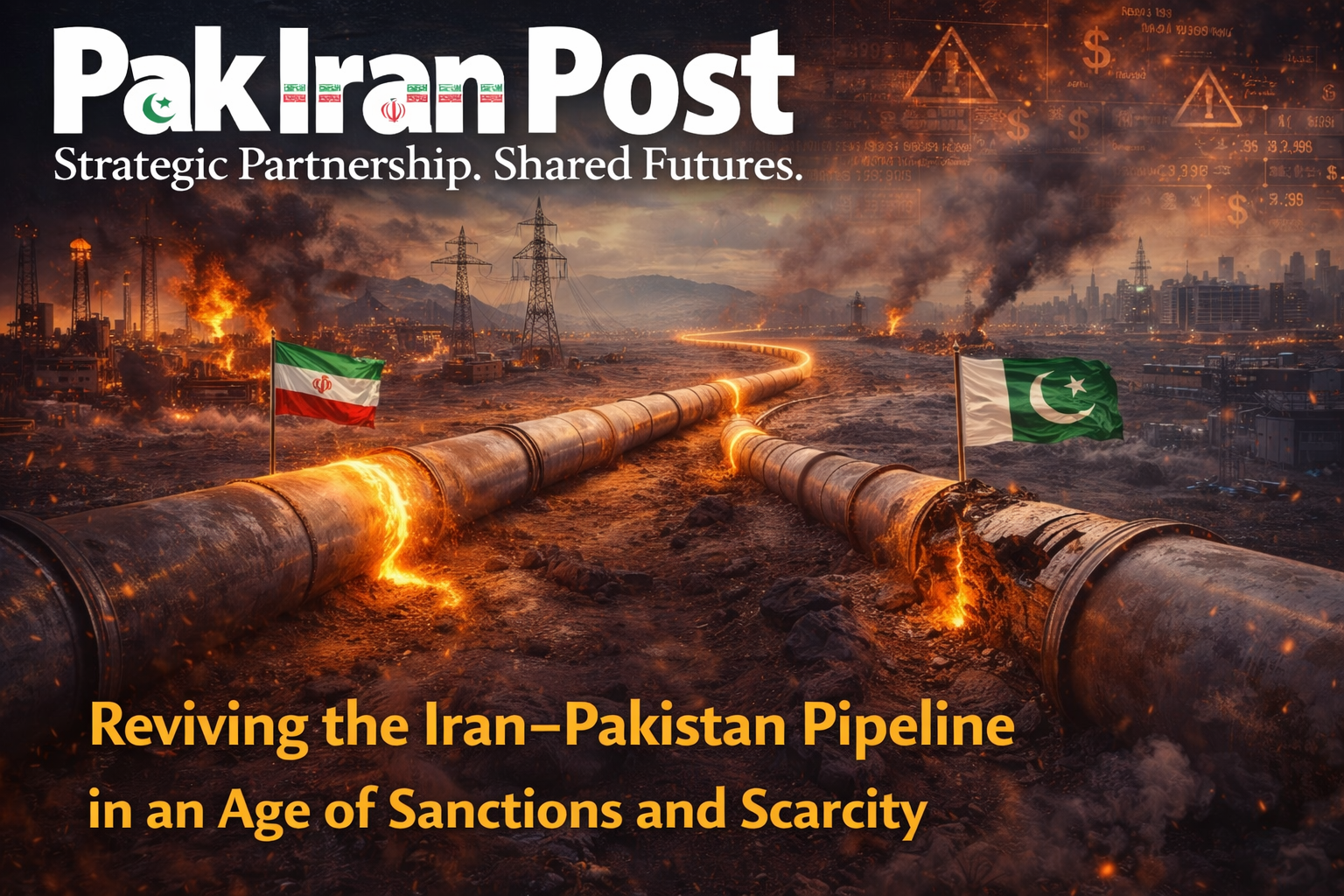
Reviving the Iran–Pakistan Pipeline in an Age of Sanctions and Scarcity
The persistent recurrence of energy shortfalls in Pakistan, compounded by volatility in global liquefied natural gas markets and the fiscal hemorrhage induced by oil imports, has revived a project long suspended between strategic necessity and geopolitical constraint, the Iran–Pakistan gas pipeline. Conceived as
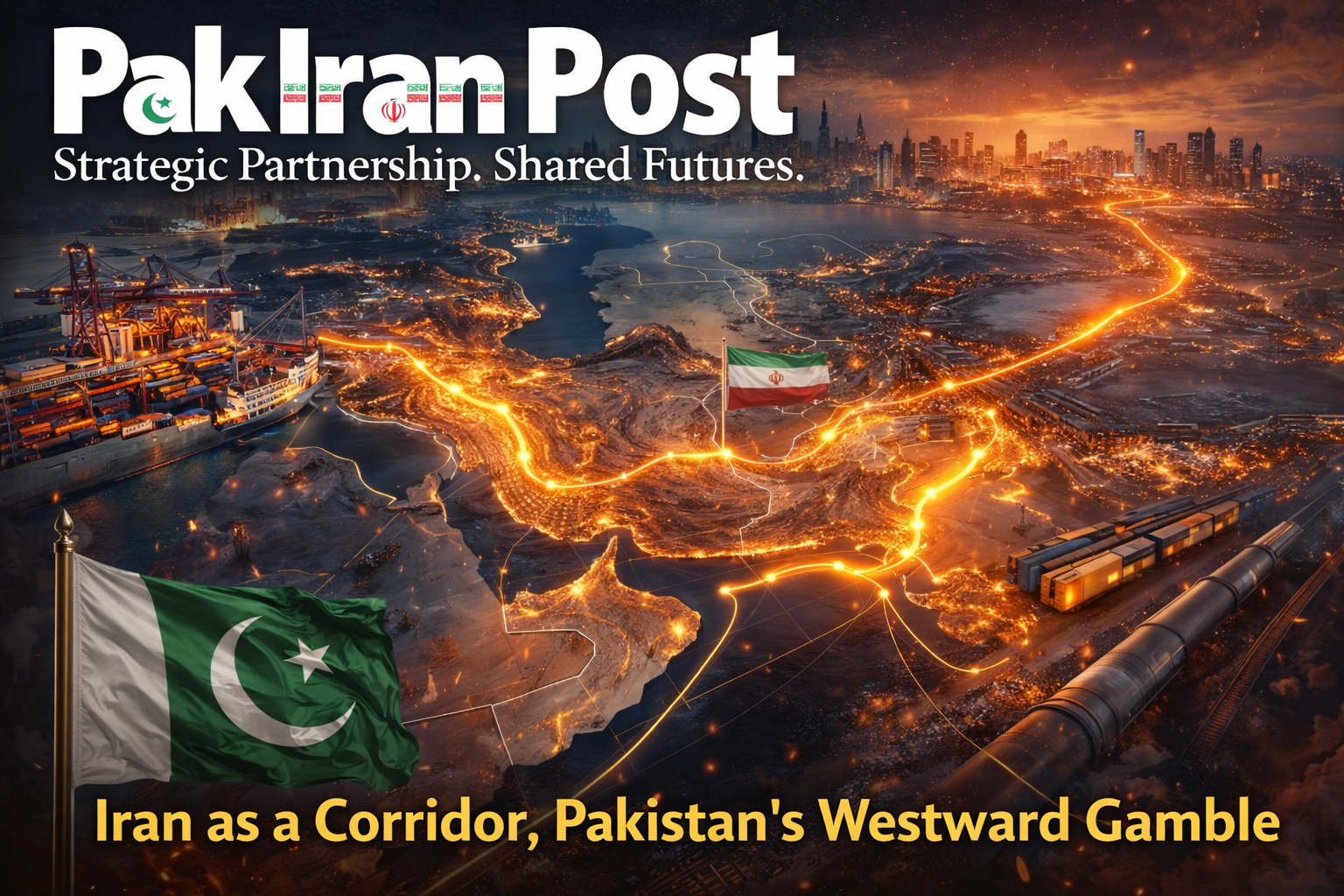
Iran as a Corridor, Pakistan’s Westward Gamble
The search for strategic depth in trade has increasingly compelled Pakistan to look westward, beyond its traditional maritime orientation and toward the continental possibilities offered by Iran and Central Asia, a reorientation that reflects not merely a logistical adjustment but a deeper geoeconomic
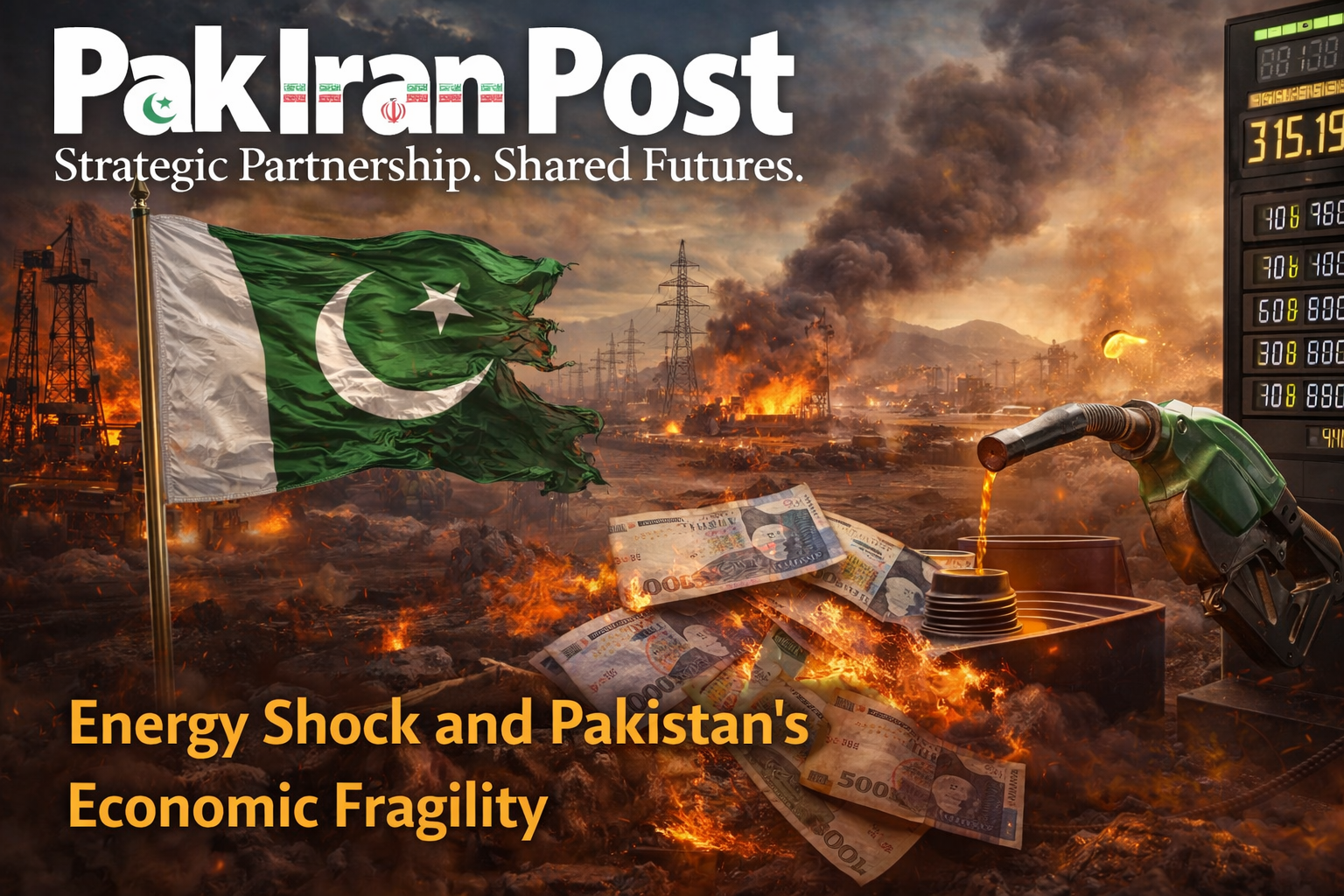
Energy Shock and Pakistan’s Economic Fragility
The return of oil prices to triple-digit territory has once again exposed the structural frailty embedded within Pakistan’s economic architecture, revealing an enduring dependence on imported energy that continues to dictate the country’s fiscal posture, monetary discipline, and broader macroeconomic stability. In a

Diaspora Media, Transnational Narrative Battles, and the Role of Global Platforms in Shaping Perceptions of Iran’s Unrest
In the contemporary digital ecosystem, diaspora communities have emerged as influential actors in shaping public perception, contesting narratives, and transmitting information from countries under restrictive media environments to the global audience. Nowhere is this more evident than in the case of Iran, where
Energy Security and Strategic Influence: Pakistan’s Opportunity in the Gulf Crisis
The Gulf region has long been the epicenter of global energy supply and a strategic theater of international diplomacy. The ongoing crisis involving major powers has revealed not only the vulnerabilities of energy transit routes but also the extent to which energy security
Gwadar in the New Gulf Economy: Positioning Pakistan as a Redistribution Hub Between China, Iran, and the Arabian Peninsula
The transformation underway in the Gulf’s economic architecture is not incremental but structural. Maritime corridors that once functioned as neutral conduits of global trade are increasingly being recast as priced, securitized, and politically conditioned routes. The Strait of Hormuz, through which a substantial
Beyond Sanctions: Strategic Pathways for Reviving Iran Pakistan Energy Connectivity in a Fragmented Global Order
The global energy system is undergoing a structural transformation in which security, finance, and logistics are no longer separable domains but deeply intertwined variables shaping the cost and continuity of supply. In this emerging order, energy is not merely traded; it is routed
Monetizing Maritime Risk: Can Pakistan Build a Hormuz-Linked Insurance and Financial Services Hub in South Asia
The transformation of the Strait of Hormuz from a passive transit corridor into a priced and risk-calibrated maritime artery represents one of the most consequential shifts in the global economic order. For decades, globalization rested on the assumption that key sea lanes would