
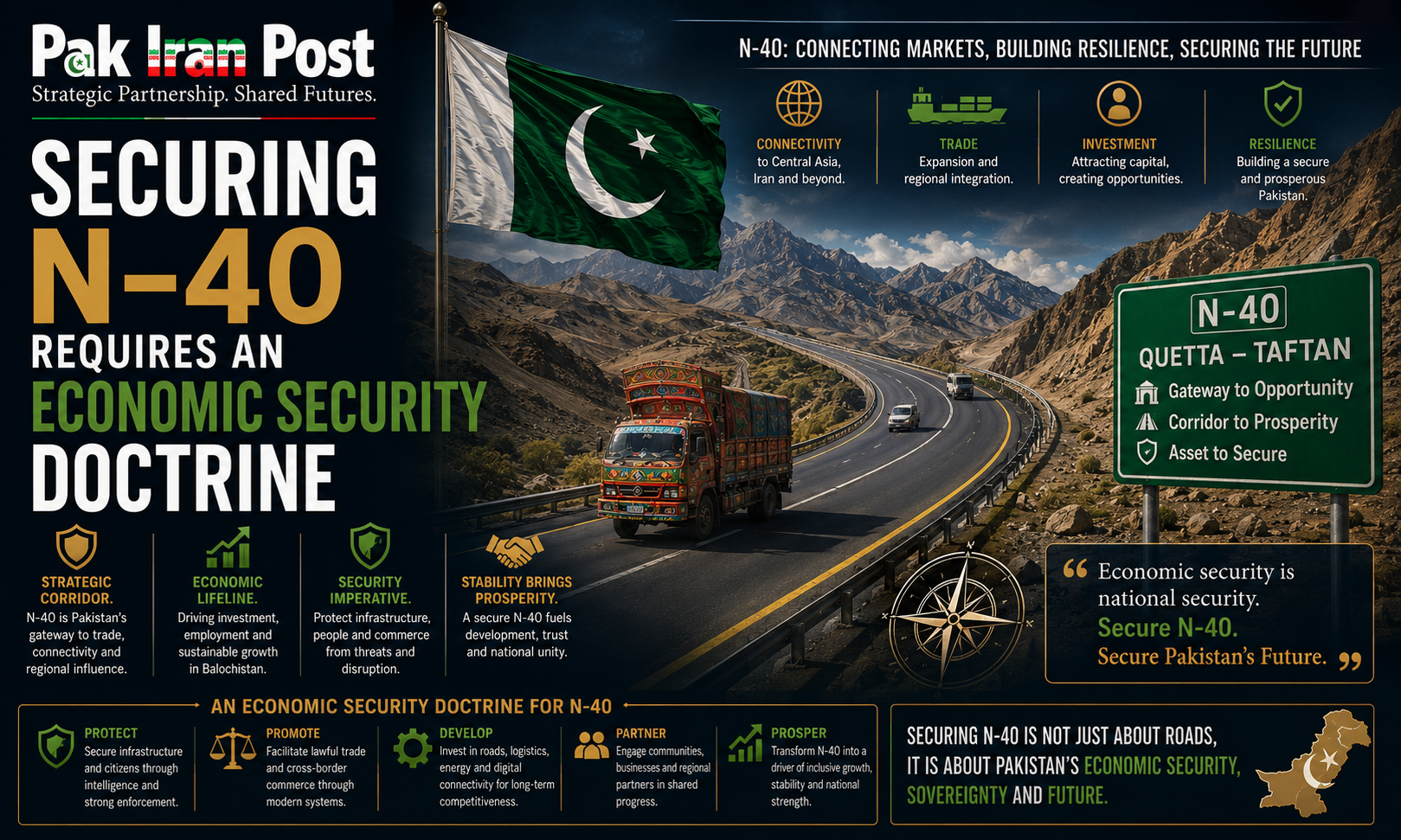
Securing N 40 Requires an Economic Security Doctrine

Pak Iran Post, N 40 should no longer be treated as merely a road requiring periodic policing whenever violence interrupts traffic. It is a strategic economic artery linking Quetta with the Iranian frontier at Taftan, carrying passenger movement, commercial consignments, fuel related traffic
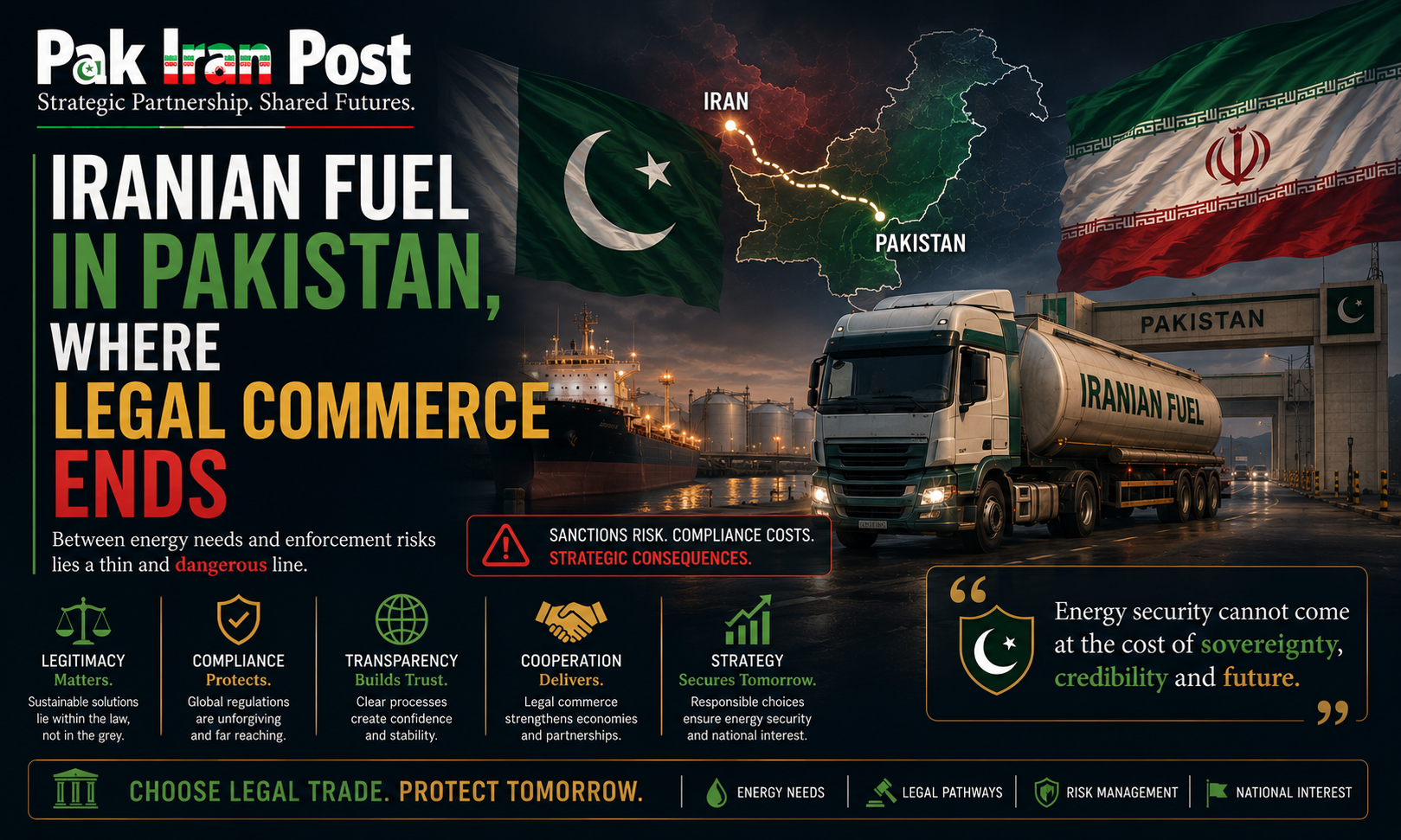
Iranian Fuel in Pakistan, Where Legal Commerce Ends

Pak Iran Post approaches Iranian petroleum entering Pakistan not as a binary contest between legality and illegality, but as a border governance problem in which fiscal architecture, local subsistence, enforcement discretion, national security and bilateral relations have become entangled. The distinction matters because

Taftan Needs Modern Border Governance, Not More Delay

Pak Iran Post views Taftan not as a peripheral customs gate but as a strategic state interface where security, commerce, migration, energy logistics and diplomatic signalling converge. Its underperformance is therefore more consequential than a routine administrative inconvenience. Taftan is Pakistan’s principal land
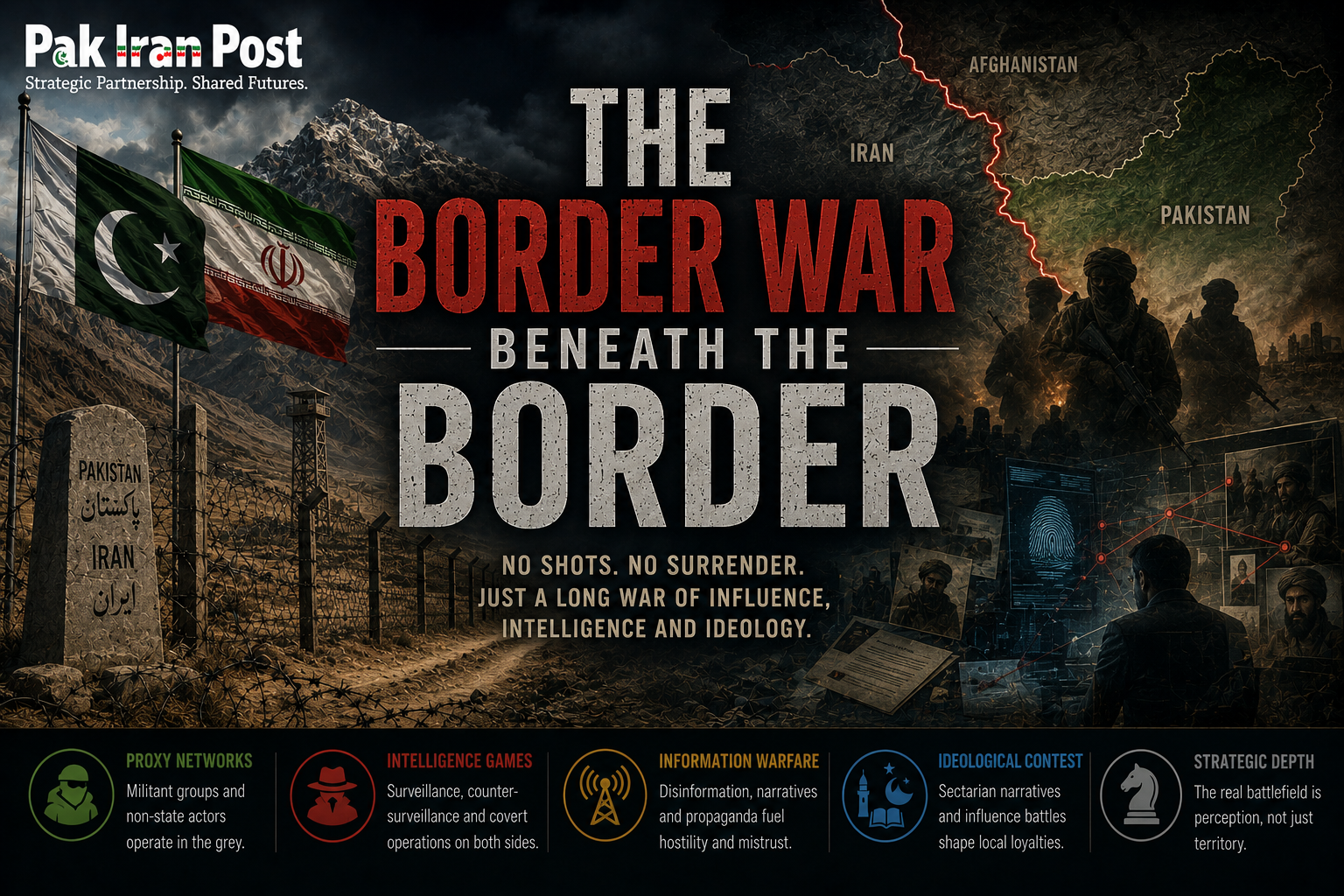
The Border War Beneath the Border
For years Pakistan and Iran have preferred to describe violence in their Baloch regions as a series of incidents. A convoy is ambushed, a police post attacked, a patrol disappears, a checkpoint is bombed, a border district is sealed, a note of protest

The Pipeline That Pakistan Cannot Either Build or Bury

For more than a decade, the Iran Pakistan gas pipeline has occupied a peculiar place in Pakistan’s strategic vocabulary. It is invoked in moments of energy anxiety, rediscovered whenever imported fuel prices rise, and paraded as evidence that Islamabad still possesses options beyond

Resource Stress Demography Climate Energy And Regional Security Entanglement
The Pakistan Iran post regional security environment is increasingly shaped by an underlying convergence of resource constraints, demographic pressures, climate volatility, and energy insecurity, which together form a complex and interdependent system of structural stress. Unlike conventional security paradigms that prioritize military balance

Cognitive Security Resilience Trust And Climate National Security Shift
The evolving security environment across the Pakistan Iran post regional continuum is increasingly defined by a structural reordering of what constitutes national stability. Traditional security paradigms anchored in territorial defense, kinetic deterrence, and diplomatic balancing are gradually being supplemented, and in certain dimensions

Silent Faultlines Governance Fatigue Economic Drift Regional Trust Crisis
The Pakistan Iran post regional architecture is increasingly defined by a quiet accumulation of structural pressures that rarely manifest as sudden rupture yet continuously erode the internal coherence of state systems. What is emerging is not conventional instability but a more insidious condition

Fragile Corridors Economic Shockwaves Across Pakistan Iran Human Security Matrix
The contemporary geopolitical economy linking Pakistan and Iran is entering a phase of quiet but structurally consequential transformation, in which visible diplomacy increasingly obscures an underlying architecture of systemic fragility. Beneath the formal rhetoric of regional cooperation, energy connectivity, and border stability, a
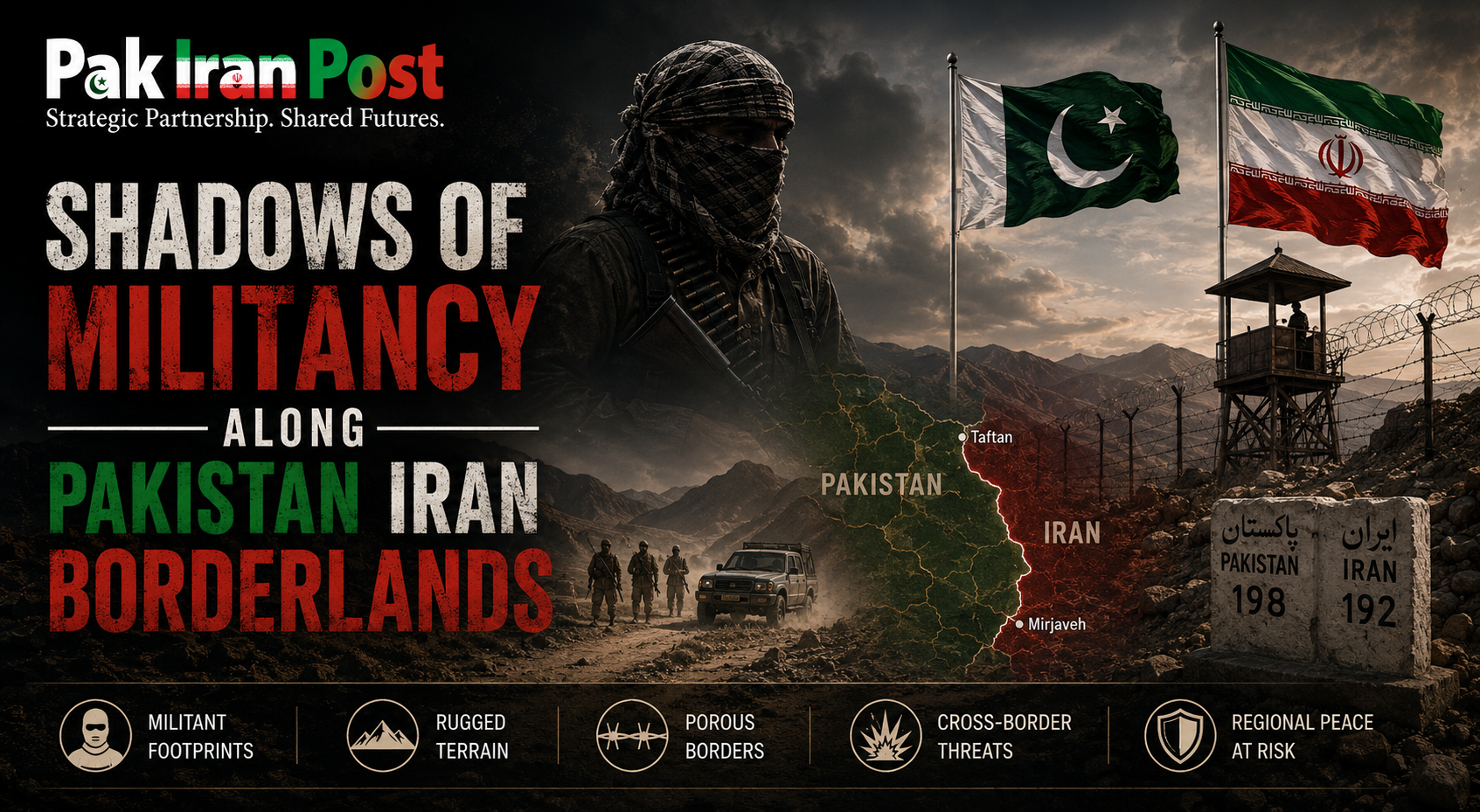
Shadows Of Militancy Along Pakistan Iran Borderlands
The Pakistan Iran frontier continues to evolve into one of the most intricate security theatres in South Asia and the broader Middle Eastern periphery, where conventional distinctions between state and non state violence, ideological and criminal networks, and domestic and transnational security threats