

SOVEREIGNTY WITHOUT ISOLATION: WHAT RESPONSIBLE NEIGHBOURHOOD POLICY MEANS IN PERPETUAL CRISIS

Sovereignty is often discussed as if it were a wall. A state is imagined to be sovereign when it controls its territory, protects its borders, determines its foreign policy and refuses external interference. That conception remains legally important, but it is increasingly inadequate
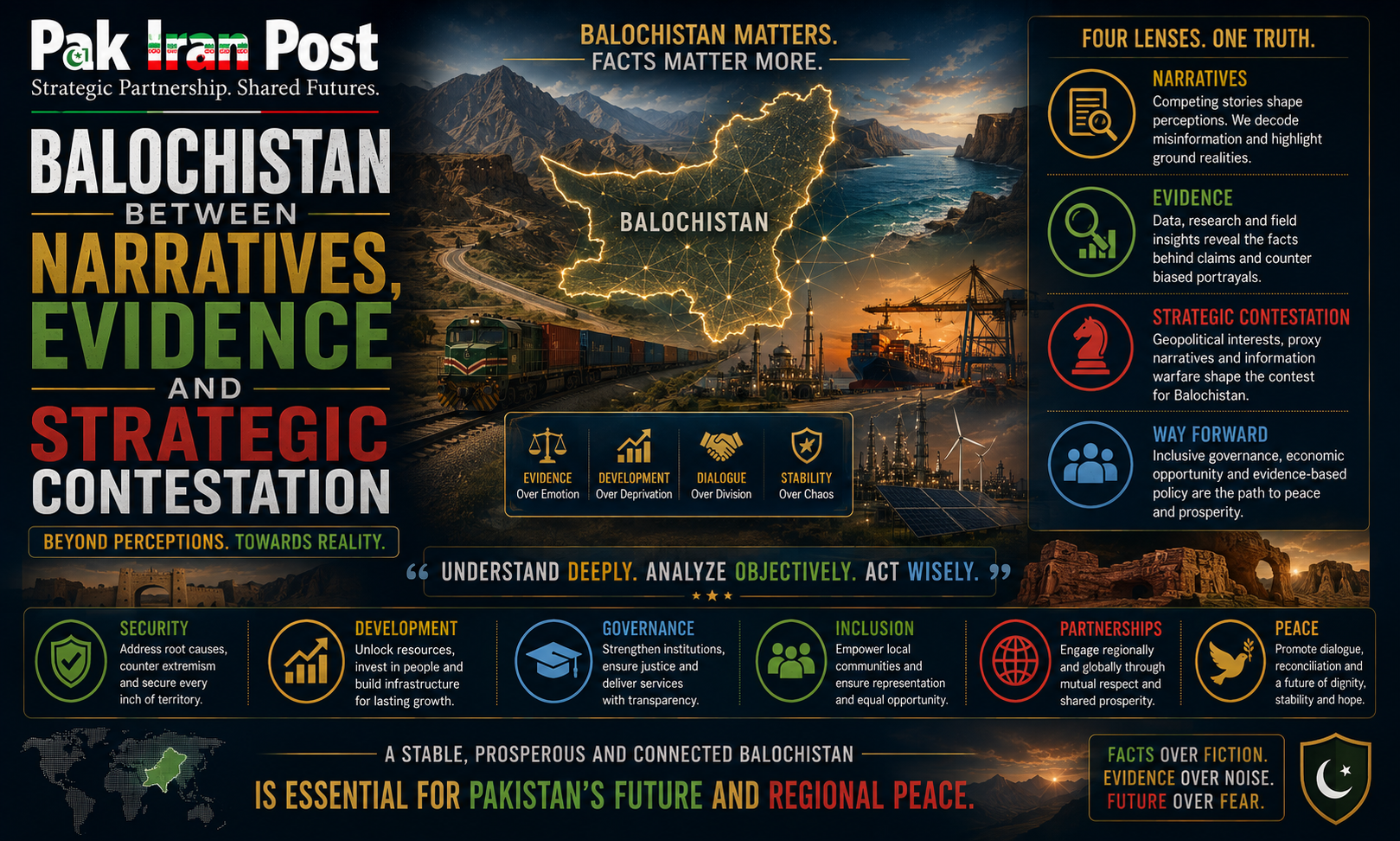
Balochistan Between Narratives, Evidence and Strategic Contestation
Pak Iran Post examines Balochistan not merely as a frontier but as an information environment in which local communities are increasingly converted into protagonists of geopolitical storytelling. Along the Pakistan Iran boundary, an isolated shooting, a disrupted convoy, a border closure, a smuggling
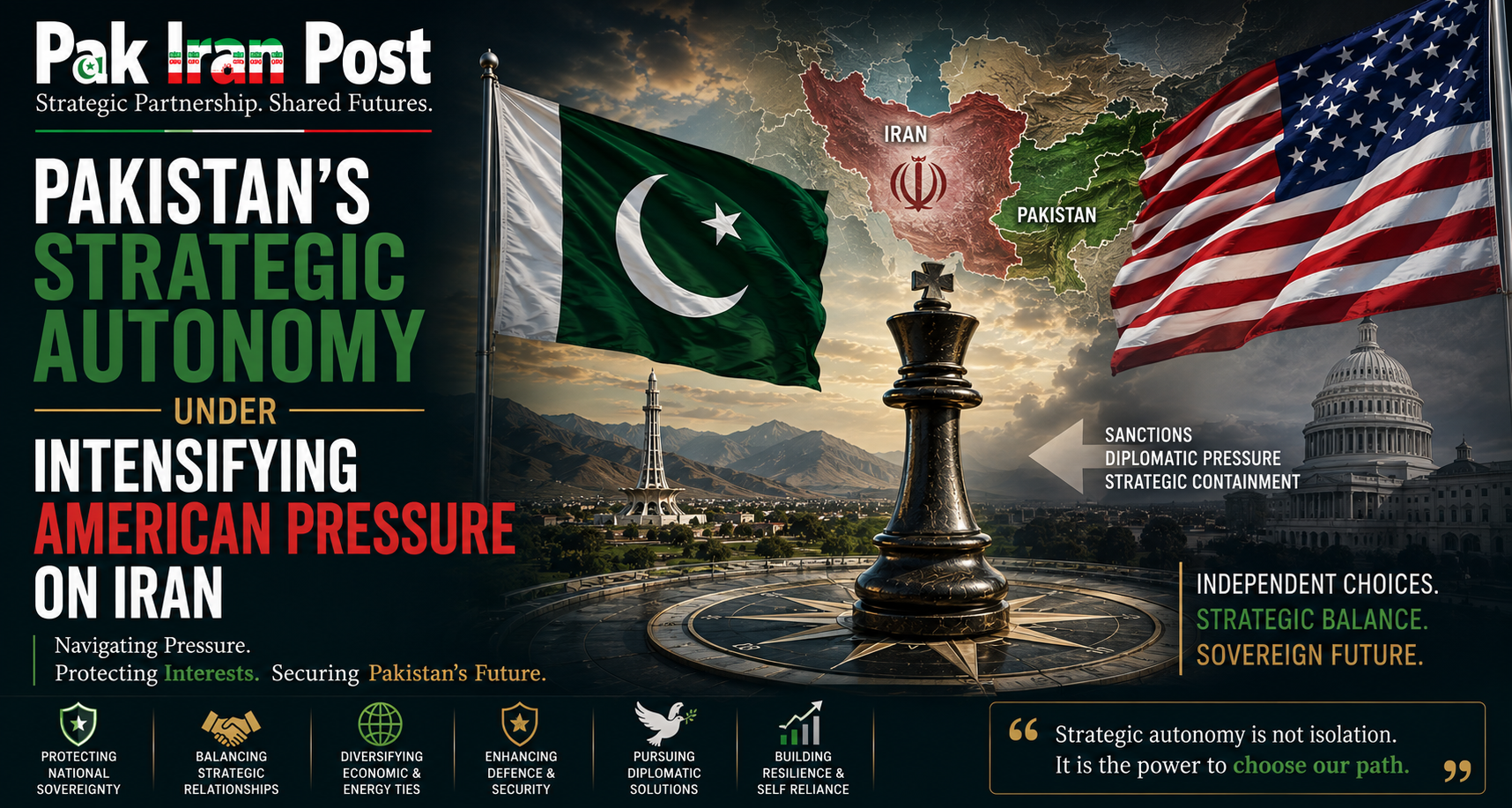
Pakistan’s Strategic Autonomy Under Intensifying American Pressure on Iran
Pak Iran Post enters a more exacting strategic phase in which Islamabad’s relationship with Tehran can no longer be managed through inherited formulations of fraternity, restraint and dialogue alone. The central policy problem is no longer whether Pakistan should remain neutral between Iran
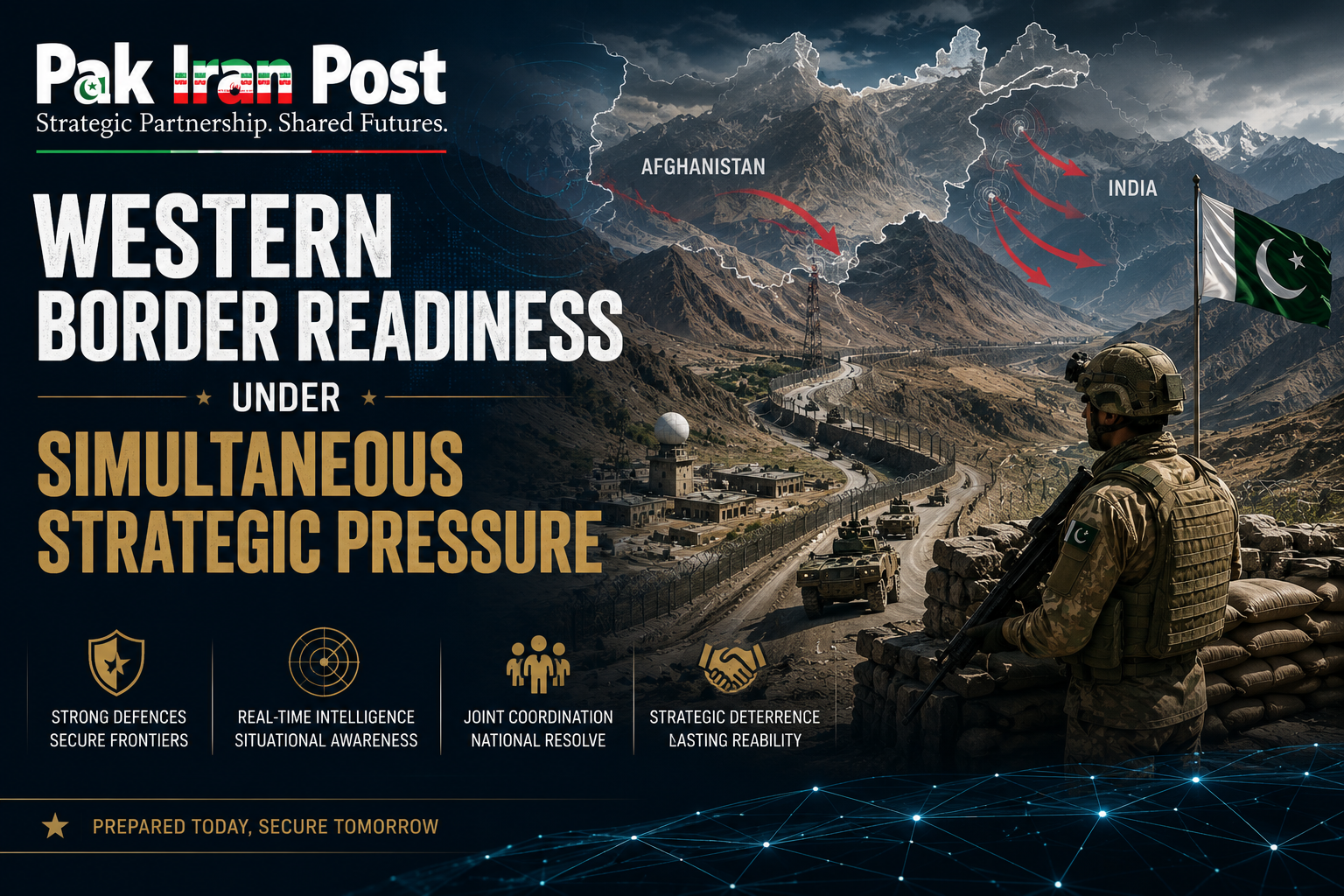
Western Border Readiness Under Simultaneous Strategic Pressure
Pak Iran Post must treat Pakistan’s western security environment as a single interconnected theatre rather than three geographically separated contingencies. The strategic problem is no longer whether Pakistan can reinforce one frontier after an incident occurs, but whether the state can absorb simultaneous
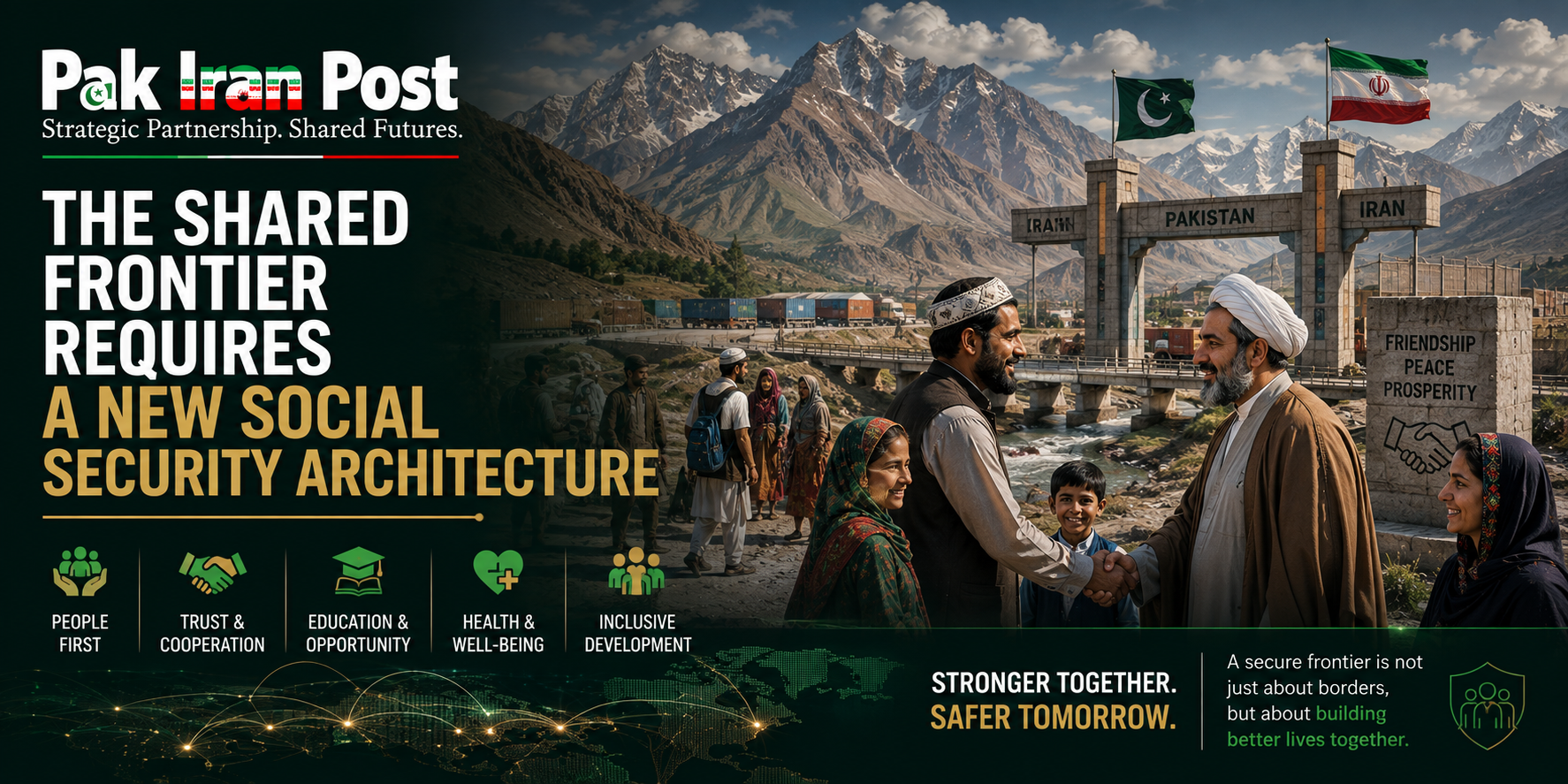
The Shared Frontier Requires A New Social Security Architecture
Pak Iran Post must treat the Sistan Balochistan and Pakistani Balochistan frontier as a social security environment rather than merely a territorial line requiring greater physical control. The strategic difficulty arises from a population whose linguistic affinities, kinship structures, commercial practices, historical memories

Pak Iran Border Security Needs An Architecture Beyond Deterrence
Pak Iran Post views the Pakistan Iran frontier as a security environment in which the distinction between border management, intelligence collection and crisis diplomacy is becoming progressively less tenable. The frontier is no longer adequately described through the vocabulary of checkpoints, fencing, patrols
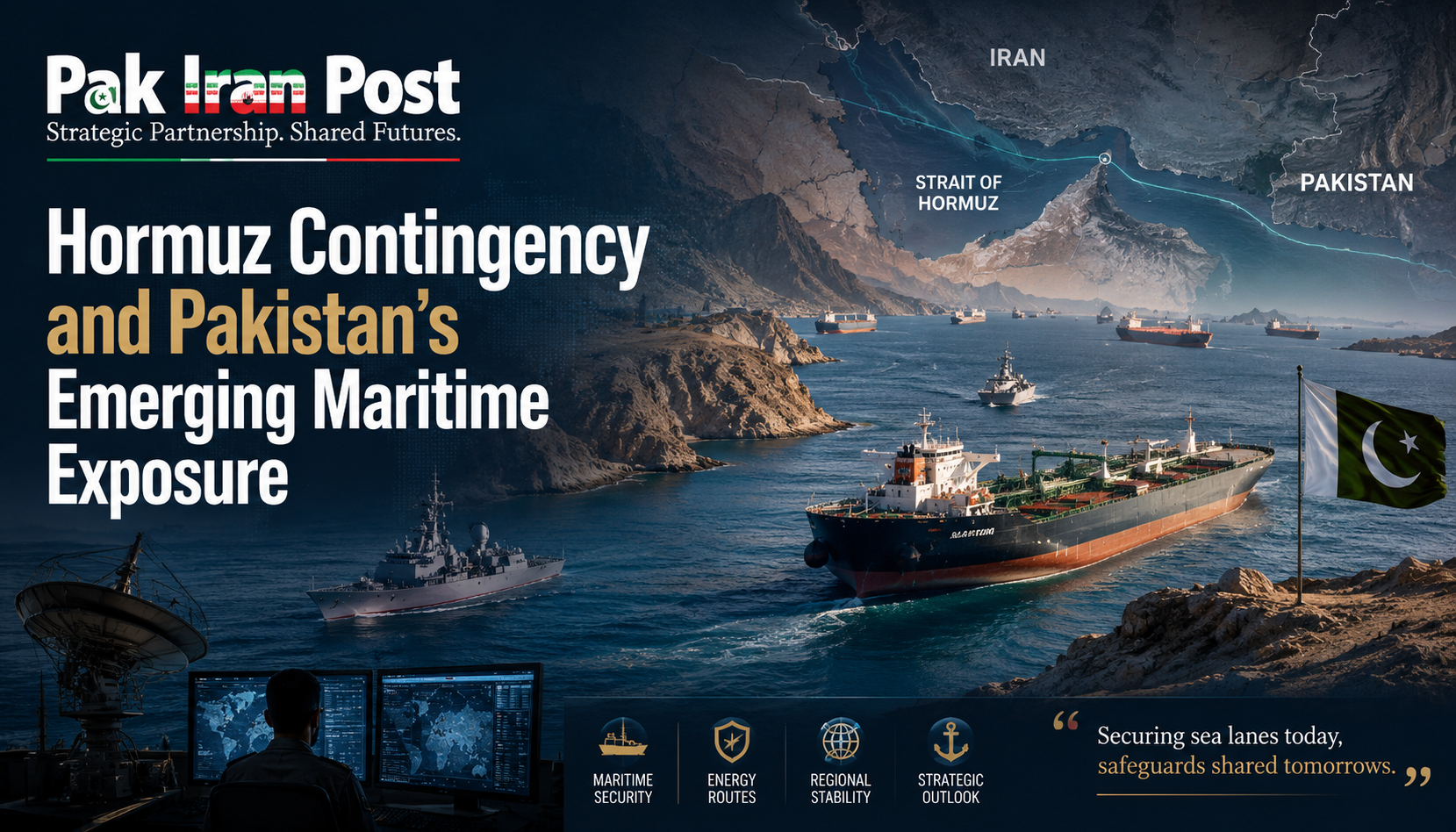
Hormuz Contingency and Pakistan’s Emerging Maritime Exposure
Pak Iran Post examines the Strait of Hormuz crisis not as a distant Gulf confrontation but as an expanding maritime contingency with direct implications for Pakistan’s energy security, commercial shipping, naval posture and diplomatic latitude. The assumption that Pakistan is insulated because its

Hazrat Imam Hasan ibn Ali (RA) and Hazrat Imam Husayn ibn Ali (RA) in the Light of Eternity
There are certain names in history that do not remain confined to biography because they grow into symbols of the highest possibilities of the human spirit. Hazrat Imam Hasan ibn Ali (RA) and Hazrat Imam Husayn ibn Ali (RA) belong to that order
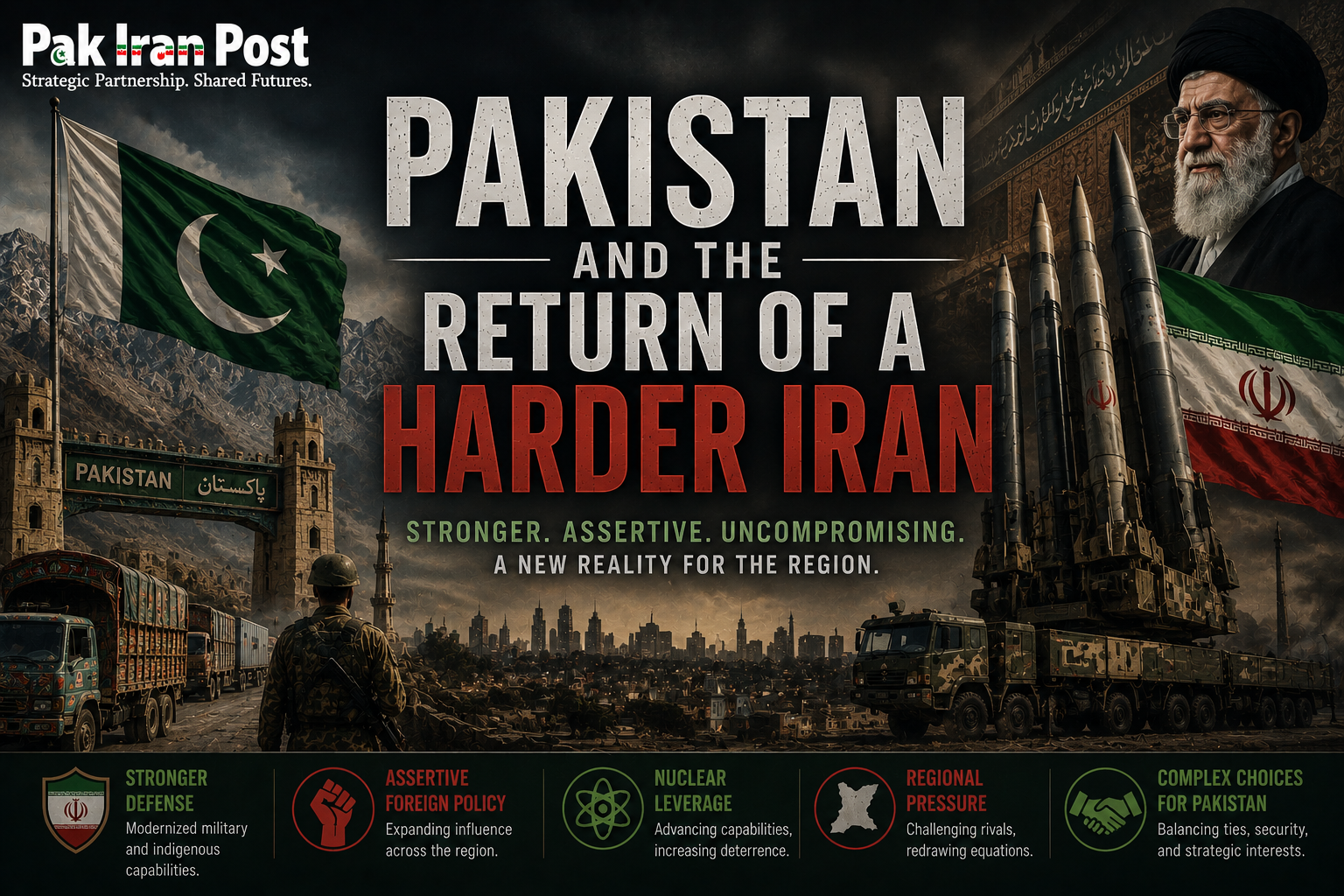
Pakistan and the Return of a Harder Iran
For much of the past two decades, Pakistan’s Iran policy has rested on a comforting ambiguity. Tehran was difficult, often confrontational, and frequently disruptive in the wider region, yet it was still assumed to be governed by a layered internal order in which

Iran’s Shadow Inside Pakistan’s Fractured Religious Order
Pakistan’s relationship with Iran has never been merely a matter of embassies, border posts and official communiqués. It has always carried a domestic afterlife. The relationship passes through seminaries and processions, sectarian memory and regional loyalties, clerical networks and security anxieties, Balochistan and