
Fostering Regional Soft Power: Positioning Pakistan as a Hub for Iranian Youth Cultural Engagement


In an era where geopolitics is increasingly influenced by social and cultural connectivity, the role of soft power has emerged as a decisive tool for shaping regional influence. Iran, with a young population increasingly attuned to global trends, faces significant social, cultural, and economic pressures that shape the aspirations and worldviews of its youth. While political and strategic narratives dominate discourse around Tehran, a critical dimension remains underexplored: the potential of cultural engagement as a mechanism to support youth development, foster regional stability, and project influence. Pakistan, with its shared history, linguistic affinities, and geographical proximity, is uniquely positioned to serve as a hub for Iranian youth cultural engagement, creating pathways that address social needs while reinforcing bilateral relations and regional cohesion.
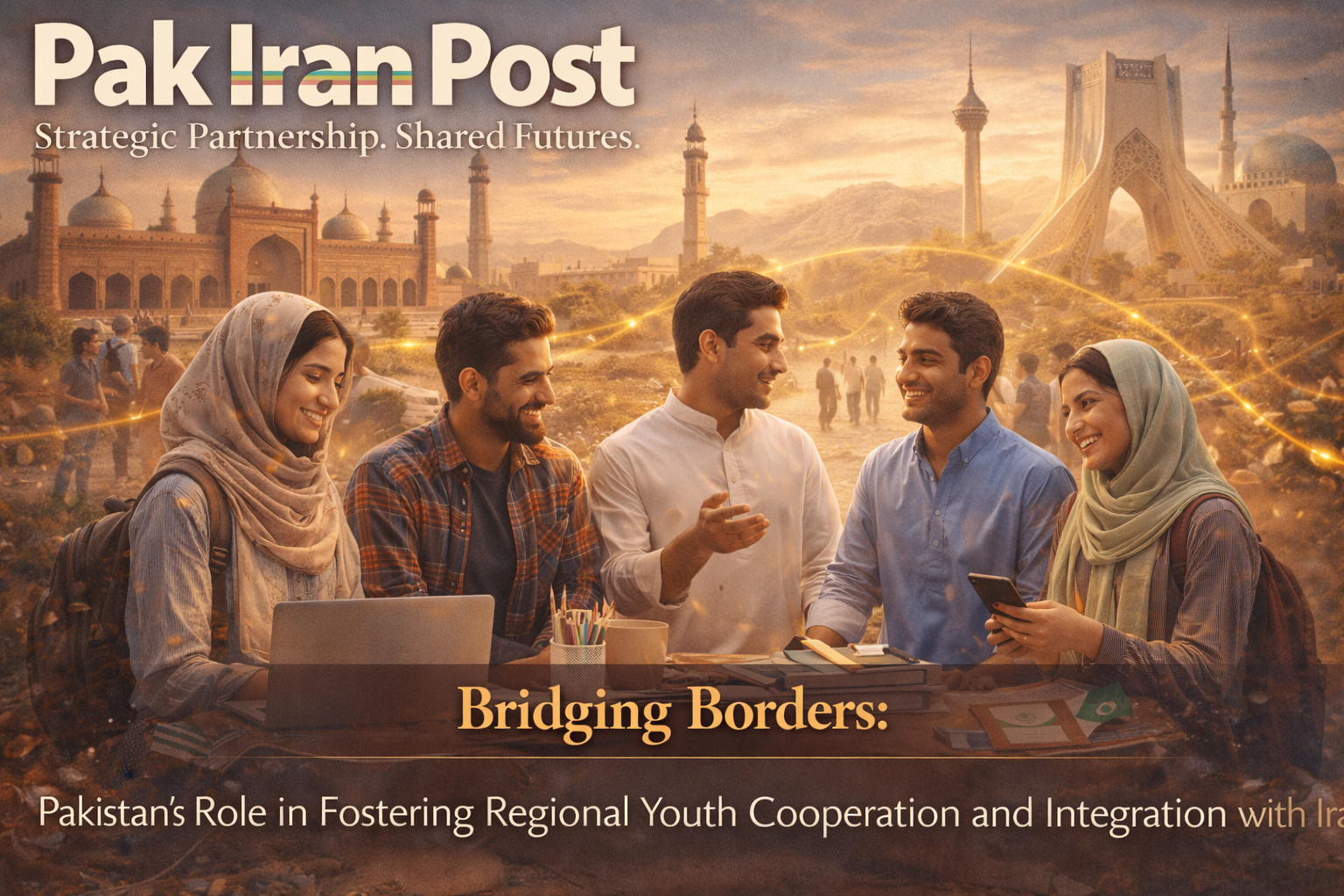
The demographic composition of Iran underscores the urgency of youth-focused engagement. Nearly 60 percent of Iran’s population is under the age of 30, representing a cohort that is highly educated, digitally connected, and socially aware. This generation faces a dual reality: unprecedented access to knowledge and exposure to global cultural currents alongside structural limitations in social freedom, employment, and civic participation. Cultural expression, creative output, and intellectual engagement are avenues through which Iranian youth articulate aspirations, resist social stagnation, and navigate societal constraints. Recognizing this dynamic, Pakistan can leverage its historical, linguistic, and cultural proximity to create alternative platforms for engagement that empower Iranian youth while projecting regional soft power.
Arts and cultural initiatives offer a powerful entry point for influence and engagement. Cross-border collaborations in literature, music, visual arts, theater, and cinema can provide Iranian youth with platforms for expression while fostering mutual understanding. Pakistani cultural institutions, universities, and media houses can design joint programs that allow Iranian artists, writers, and performers to participate in regional festivals, exhibitions, and creative residencies. Digital platforms can amplify reach, enabling participation across Iran’s diverse regions without the logistical constraints of physical travel. Such initiatives do not merely promote cultural exchange but build trust, strengthen social networks, and establish Pakistan as a constructive regional partner capable of supporting youth creativity in environments that may otherwise limit expression.
Media engagement represents another dimension of strategic cultural influence. Iranian youth are active consumers of digital media, including social networks, streaming platforms, podcasts, and online publications. Pakistan can develop collaborative media programs that provide content highlighting regional arts, education, entrepreneurship, and youth success stories. Partnerships with Iranian student media, independent content creators, and online cultural communities can offer credible platforms for dialogue, knowledge-sharing, and exposure to alternative perspectives. Media engagement, when executed carefully, can support social resilience, encourage creative expression, and build long-term affinity between young populations, positioning Pakistan as a hub for intellectual and cultural exchange.
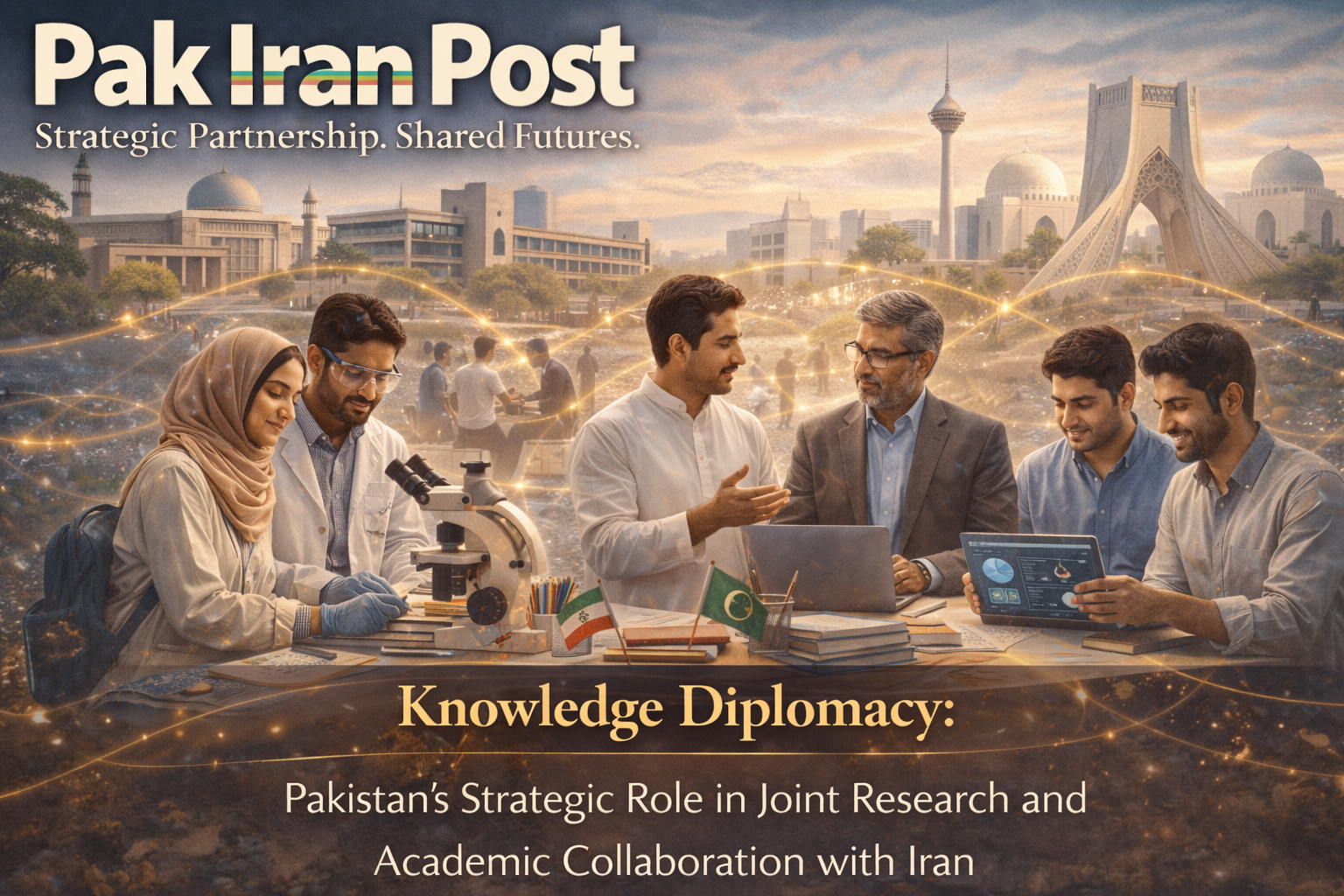
Education is central to soft power projection and youth engagement. Pakistani universities and research institutions can create scholarship programs, joint degrees, and exchange opportunities specifically designed for Iranian youth. These programs can encompass traditional academic disciplines, technical and vocational training, and creative arts. Exposure to Pakistani educational institutions provides not only skills development but also a window into regional diversity, cross-cultural interaction, and practical collaboration. By fostering educational mobility, Pakistan can create long-term networks of alumni, innovators, and future leaders who maintain strong ties with Pakistan, further reinforcing influence and goodwill.
Religious and cultural discourse also presents an opportunity for engagement. Pakistan and Iran share centuries of religious, linguistic, and cultural heritage. While political dimensions of religion are sensitive, initiatives focused on scholarly exchange, interfaith dialogue, historical research, and literary collaboration can provide meaningful platforms for youth engagement. These programs can facilitate knowledge-sharing, nurture intellectual curiosity, and create safe spaces for debate, reflection, and cultural continuity. By positioning itself as a credible partner in supporting informed and constructive discourse, Pakistan can deepen connections with Iranian youth while avoiding the politicization that often constrains official diplomatic channels.
Digital innovation and online platforms are indispensable in modern youth engagement strategies. Virtual workshops, webinars, online mentorship programs, and collaborative digital projects enable Iranian youth to participate in regional initiatives regardless of geographic or social limitations. Pakistan can establish secure digital spaces for creative collaboration, skill-building, and cultural exchange, ensuring accessibility for participants from diverse socio-economic backgrounds. Digital engagement also allows for real-time feedback, community-building, and scalable impact, making it an efficient tool for both humanitarian and soft power objectives.
Pakistan’s strategic cultural influence can be strengthened by integrating arts, media, and education initiatives with broader regional connectivity frameworks. Programs designed to link Iranian youth with Pakistani counterparts in professional development, entrepreneurship, and civic engagement can generate practical benefits alongside cultural exposure. Joint hackathons, creative competitions, and collaborative research projects can enhance skill development, problem-solving abilities, and intergenerational knowledge transfer. These efforts not only provide tangible opportunities for youth but also reinforce Pakistan’s image as a constructive regional partner capable of promoting resilience, creativity, and opportunity.
Operationalizing this vision requires a structured and coordinated policy framework. Pakistan can establish a dedicated inter-ministerial task force focused on Iranian youth engagement, incorporating ministries of culture, education, foreign affairs, and information technology. This body would coordinate scholarships, cultural programs, media initiatives, and digital engagement projects, ensuring alignment with strategic objectives and sustainability. Collaboration with civil society organizations, universities, media houses, and international development partners would enhance reach, legitimacy, and operational efficiency. Monitoring and evaluation mechanisms would allow continuous assessment of program impact, facilitating evidence-based adaptation and scaling.
Funding mechanisms are critical to sustaining long-term engagement. Pakistan can mobilize resources through government allocations, private sector contributions, philanthropic partnerships, and international development grants. Scholarships, program infrastructure, digital platforms, and cultural festivals require predictable financing to ensure reliability and scalability. Strategic investment in these areas creates multiplier effects, enhancing regional connectivity, fostering youth capacity, and establishing Pakistan as a credible soft-power hub for Iranian youth.
Security considerations must also be carefully addressed. Cultural and educational engagement programs must navigate political sensitivities, ensuring that participation is voluntary, non-intrusive, and aligned with Iranian social norms. Program design should prioritize transparency, inclusivity, and respect for local customs while maintaining Pakistan’s ability to support creativity, education, and self-expression. Risk management protocols, including digital security, travel safety, and stakeholder consultation, are essential to protect participants and maintain credibility.
The impact of strategic cultural influence extends beyond immediate engagement. By positioning itself as a hub for Iranian youth, Pakistan creates long-term networks of influence that span professional, creative, and civic domains. Alumni of educational programs, participants in cultural initiatives, and collaborators in media projects become natural advocates for Pakistan, reinforcing trust, goodwill, and regional cooperation. These networks contribute to social cohesion, reduce isolation, and generate opportunities for collaboration on shared challenges, from humanitarian initiatives to regional development projects.
Pakistan’s approach to soft power should also integrate measurement and evaluation frameworks. Metrics for assessing program effectiveness can include participation rates, skill acquisition, content creation, collaboration frequency, and participant satisfaction. Longitudinal tracking of alumni networks and cross-border projects provides insight into sustained influence, social impact, and potential for scaling. Evidence-based assessment allows policymakers to refine engagement strategies, optimize resource allocation, and maximize humanitarian and cultural impact.
Policy recommendations for Pakistani decision-makers include the establishment of structured scholarship programs tailored to Iranian youth, the development of joint cultural festivals and media collaborations, investment in secure digital platforms for creative engagement, and creation of inter-ministerial coordination mechanisms. Collaboration with civil society organizations and international partners should be formalized to ensure legitimacy, transparency, and scalability. Cross-sector integration, including arts, education, technology, and youth leadership programs, enhances both immediate impact and long-term influence.
Humanitarian and social outcomes should remain central to strategic cultural influence. Engagement programs can address psychosocial needs, provide alternative avenues for expression, and create supportive communities for Iranian youth facing social constraints. By framing initiatives as both humanitarian and developmental, Pakistan strengthens credibility, fosters goodwill, and mitigates risks associated with politicization or perceived interference. Programs that demonstrate tangible benefits, such as educational advancement, skill acquisition, and creative opportunity, reinforce the perception of Pakistan as a reliable and constructive regional partner.
Regional and international partnerships can amplify the effectiveness of soft-power engagement. Collaboration with regional cultural organizations, international development agencies, and educational consortia enhances technical capacity, program legitimacy, and operational reach. Partnerships can also provide access to funding, expertise, and best practices, ensuring that Pakistan’s initiatives are aligned with global standards and capable of achieving measurable outcomes. Strategic alignment with multilateral frameworks, including UNESCO and regional youth networks, positions Pakistan as a leader in humanitarian and youth-focused cultural diplomacy.
In conclusion, Pakistan stands at a strategic inflection point where soft-power engagement with Iranian youth can deliver humanitarian, cultural, and regional benefits simultaneously. By investing in arts, education, media, and digital platforms, Pakistan can provide Iranian youth with constructive avenues for expression, learning, and personal development. These initiatives foster trust, social resilience, and cross-border collaboration, creating long-term networks of influence and goodwill. Policy frameworks that integrate scholarships, cultural festivals, media collaborations, digital engagement, and inter-ministerial coordination ensure sustainability, accountability, and measurable impact.
Through deliberate investment in strategic cultural influence, Pakistan can position itself as a hub for Iranian youth engagement, demonstrating that humanitarian objectives, soft-power projection, and regional stability are mutually reinforcing. By prioritizing creativity, education, and opportunity, Islamabad can strengthen bilateral relations, empower a new generation of Iranian youth, and build a foundation for enduring cooperation, resilience, and regional integration. Strategic cultural influence is not merely a tool of diplomacy; it is a pathway for Pakistan to lead in shaping a future where regional youth engagement, creativity, and social development converge for shared prosperity.
A Public Service Message