
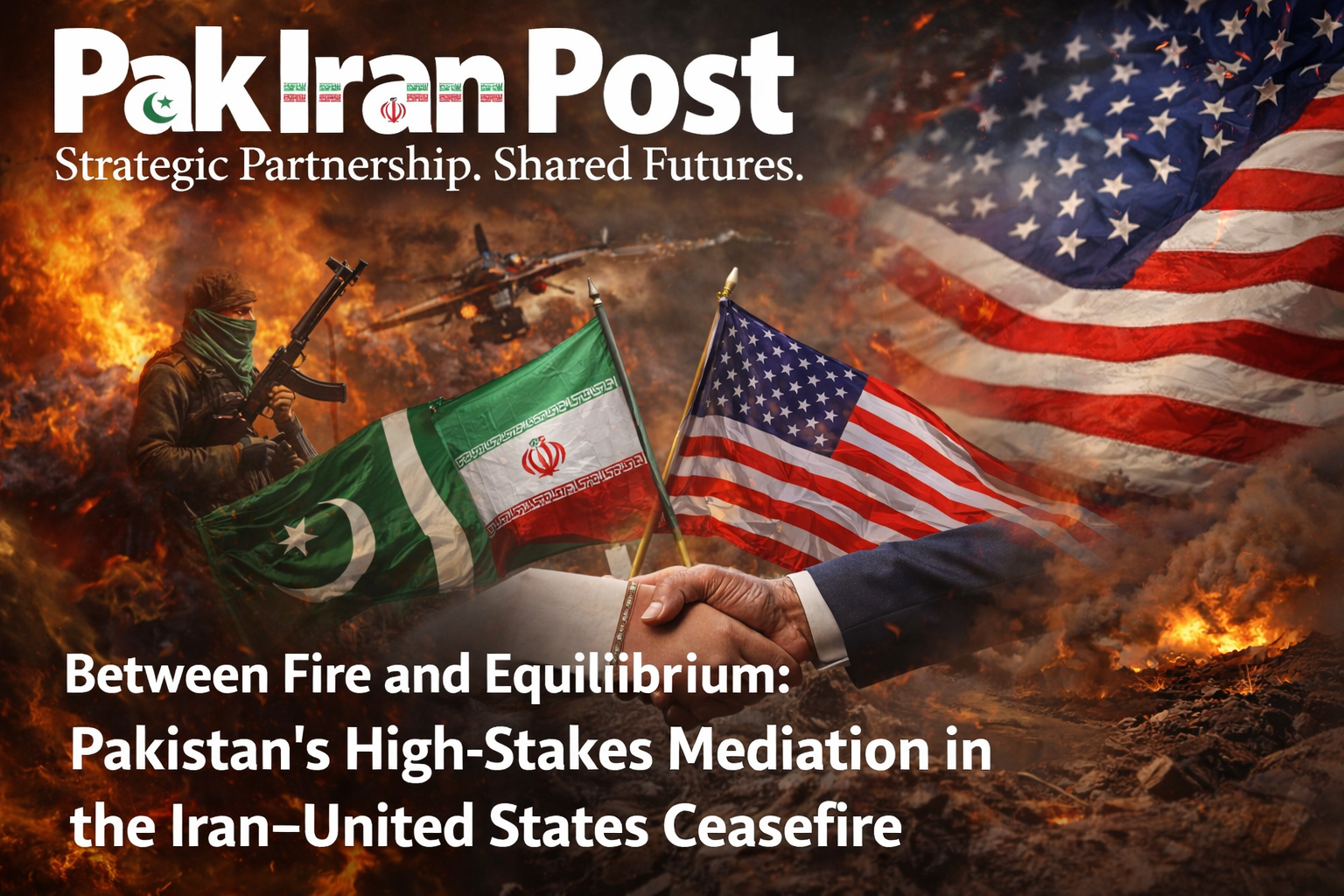
Between Fire and Equilibrium: Pakistan’s High-Stakes Mediation in the Iran–United States Ceasefire

In the uneasy stillness that follows war, diplomacy often performs its most consequential work not in grand conference halls but in the interstices of mistrust, ambiguity, and calculated restraint. The fragile 2026 ceasefire between Iran and the United States is one such moment,
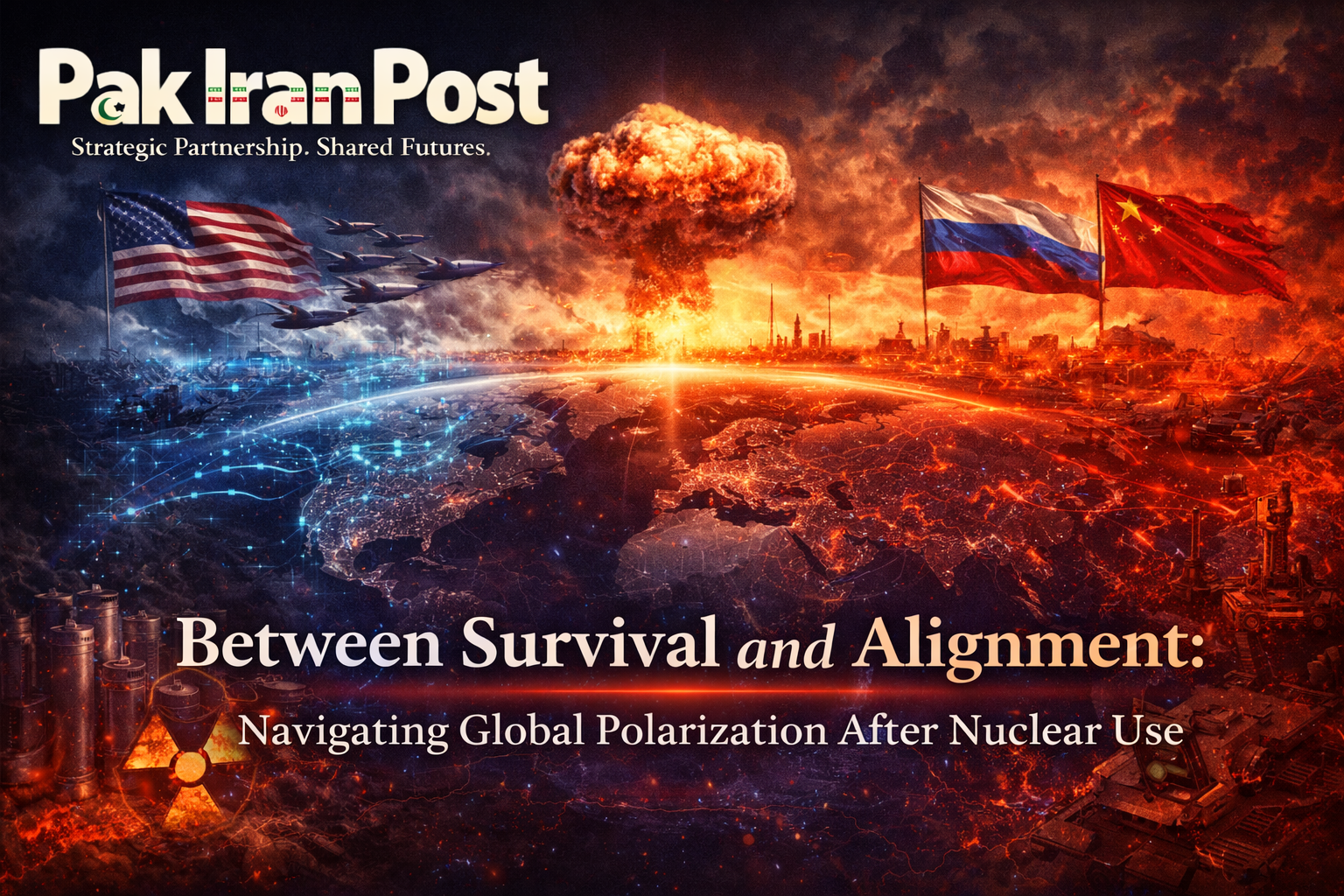
Between Survival and Alignment: Navigating Global Polarization After Nuclear Use
The hypothetical use of a nuclear weapon by the United States against Iran, irrespective of scale, would precipitate a seismic realignment of international strategic perceptions, alliances, and operational postures. Conventional assumptions regarding normative compliance, global security architecture, and deterrence credibility would be challenged,
Pak Iran PostIran’s Nuclear Red Line: Bluff or Strategic Dash
The period spanning February to April 2026 has witnessed a dramatic escalation in the US-Israel campaign against Iranian nuclear infrastructure, with sequential strikes targeting Fordow, Natanz, and Isfahan. Each kinetic action has introduced not only operational risk but a profound strategic ambiguity, raising

India Israel UAE Axis, Geopolitical Marginalization, Regional Power Shift, Middle East Alliances, Strategic Realignment
In the rapidly shifting geopolitics of West and South Asia, traditional power configurations are increasingly contested. The India–Israel–UAE axis, which has emerged over the past decade as a significant strategic bloc, exemplifies a coalition premised on converging economic, technological, and security imperatives. Its

Hussainiyat and the Iranian Resistance Paradigm: Lessons for Pakistan’s Strategic Engagement
The philosophy of Hussainiyat, derived from the principles embodied by Imam Hussain and the legacy of the Battle of Karbala, has shaped not only religious consciousness but also the broader geopolitical and moral frameworks in which Iran operates today. The narrative of sacrifice,
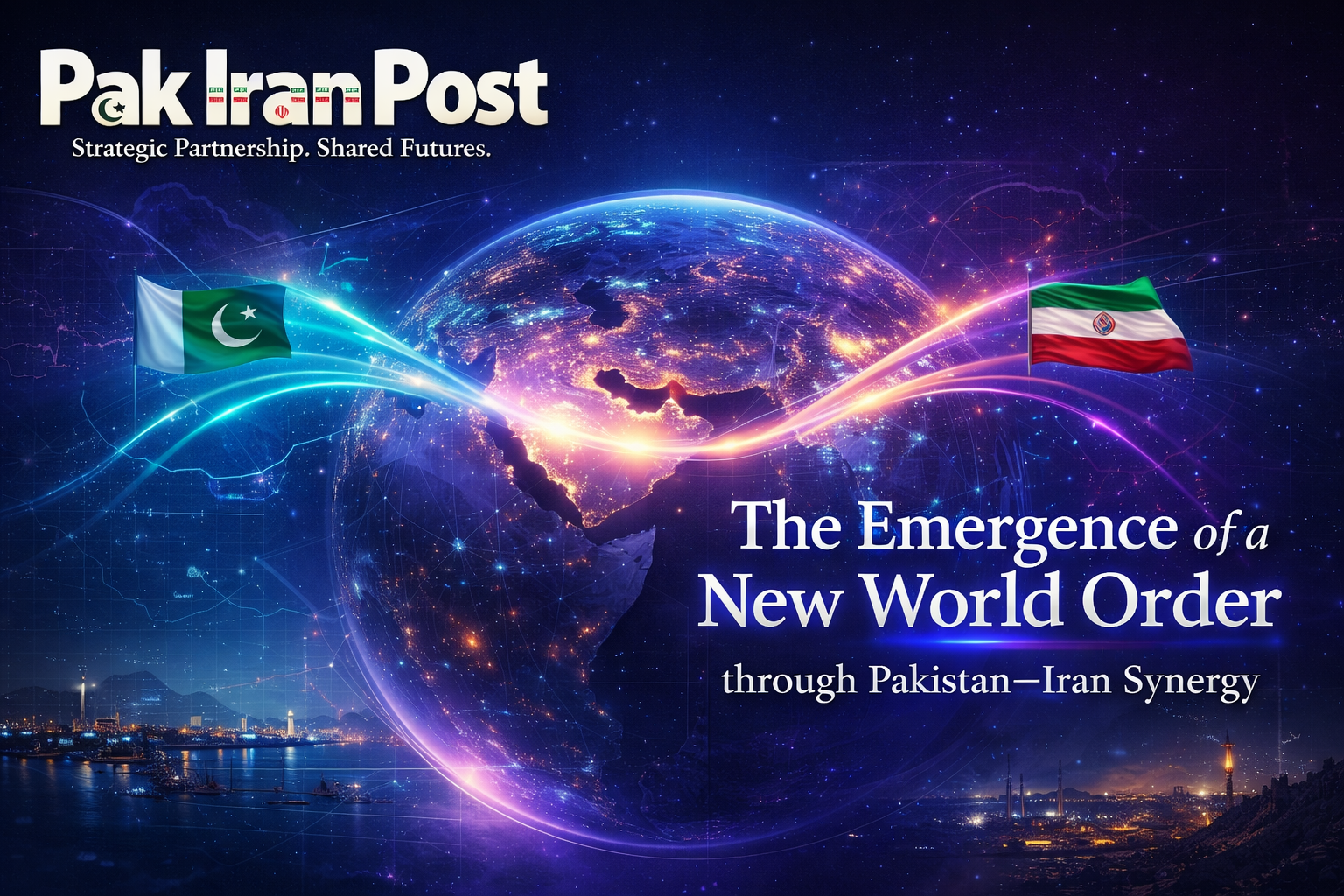
The Emergence of a New World Order through Pakistan–Iran Synergy
The global geopolitical landscape is undergoing a profound transformation that will shape the contours of international relations and power distribution for decades to come. The unipolar moment that followed the end of the Cold War has yielded to a complex multipolar reality in
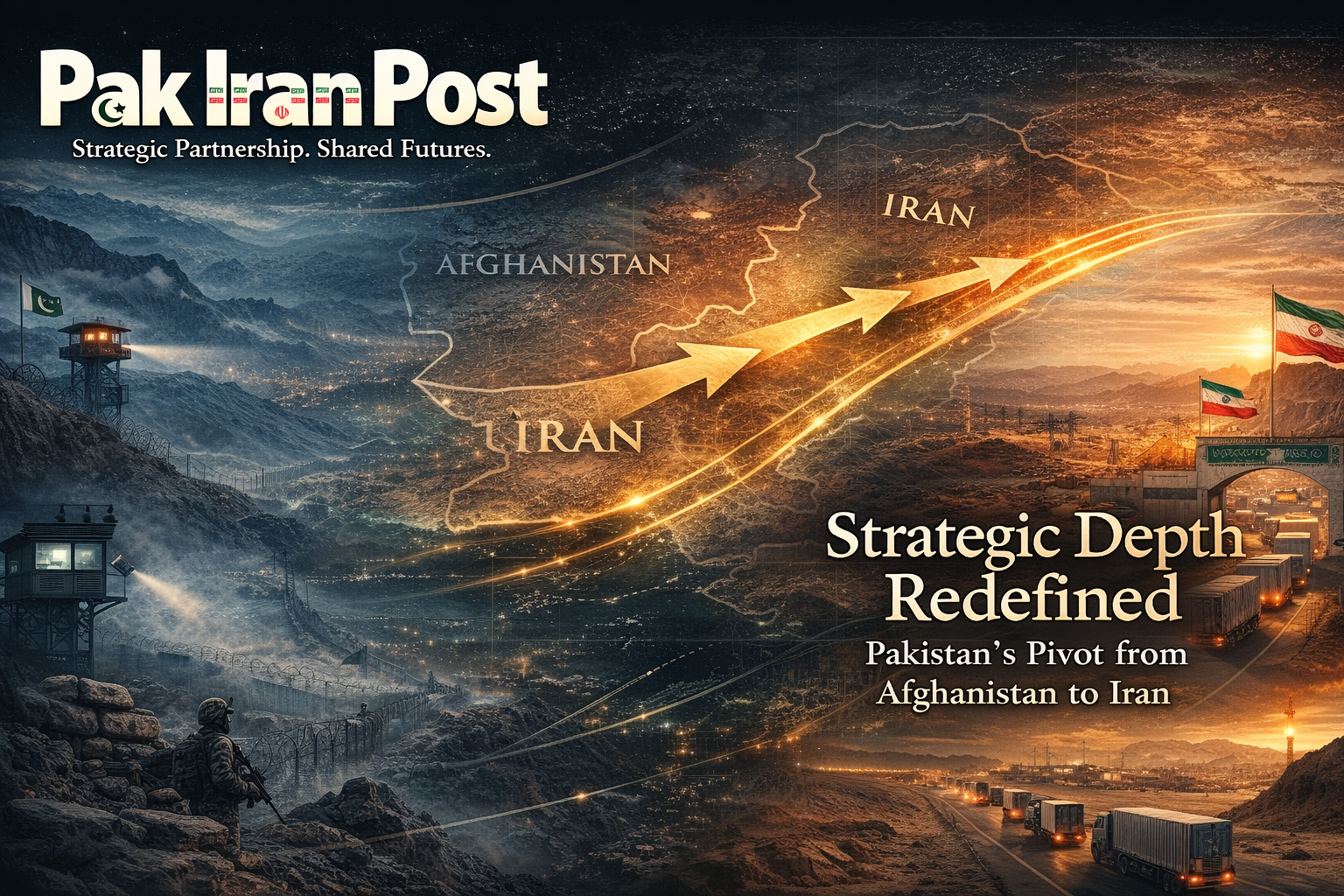
Strategic Depth Redefined: Pakistan’s Pivot from Afghanistan to Iran
Pakistan’s strategic doctrine has historically been shaped by its geographic and political proximity to Afghanistan. For decades, Islamabad’s security, foreign policy, and regional calculations were heavily influenced by developments across the Afghan border. Pakistan’s role in Afghanistan encompassed multiple dimensions, from facilitating stability

Iran’s Rise and the Rebalancing of Gulf Economies: A Strategic Analysis for Pakistan
Iran’s economic resurgence represents a significant inflection point for the Gulf region and the broader Middle East. After years of sanctions and international isolation, Iran has steadily rebuilt its economic capacities, leveraging its vast energy resources, expanding regional trade networks, and reinvigorating its

The River of Time: Iran as a Trans Normative Confluence of Memory, Identity, and Influence
Iran today flows like a river that carries the sediment of centuries, a living confluence of memory, culture, and identity that continuously reshapes the political and philosophical landscapes of the Middle East and beyond. To perceive Iran solely through the lenses of diplomacy,

Artificial Intelligence, Automation, and the Future of Regional Competitiveness: Pakistan’s Role in Iran’s Technological Leap
Artificial intelligence and automation have emerged as transformative forces shaping economies, governance systems, and societal structures across the globe. Iran, facing a combination of domestic economic constraints, international sanctions, and strategic isolation, has increasingly turned to artificial intelligence, machine learning, robotics, and automation