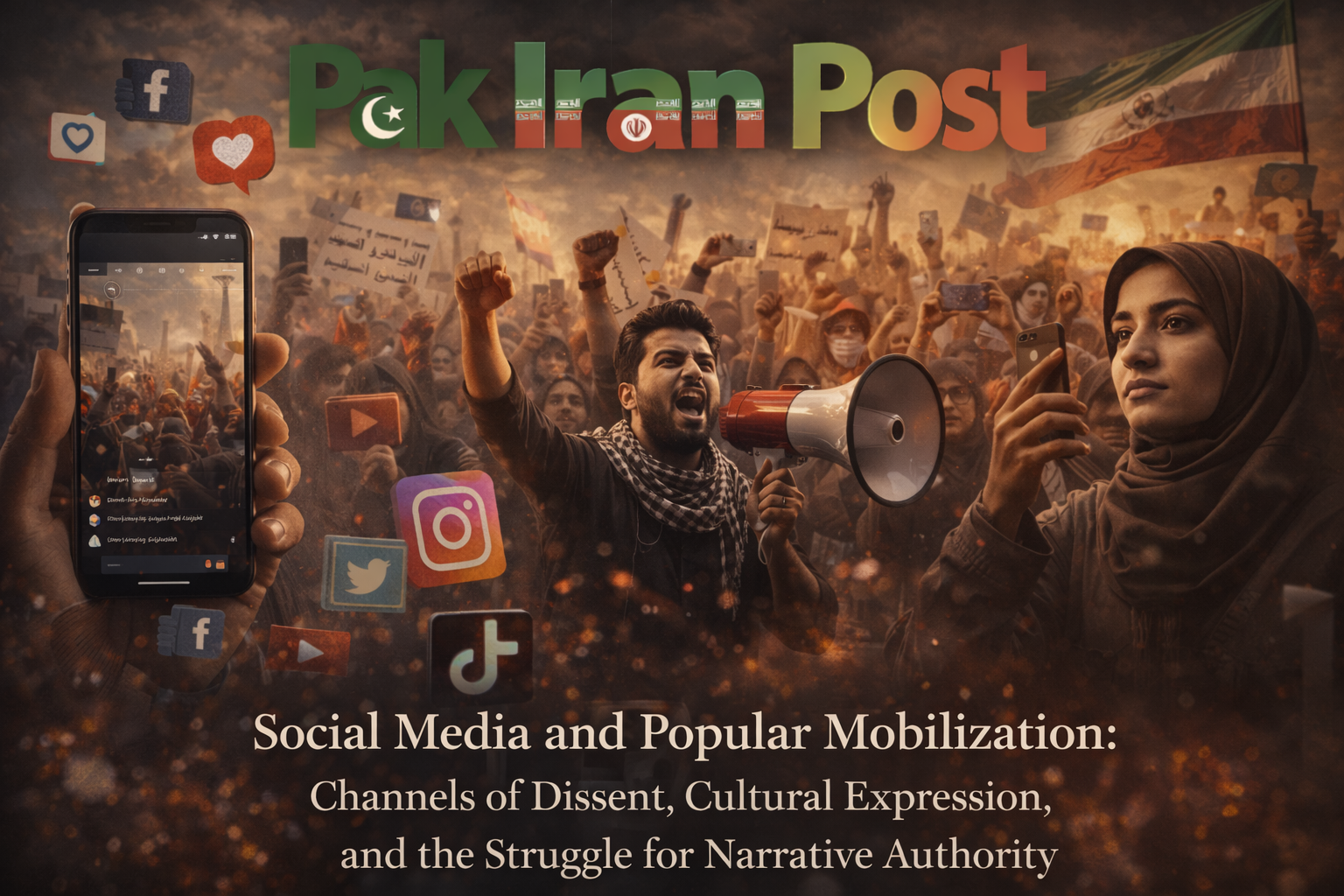
Social Media and Popular Mobilization: Channels of Dissent, Cultural Expression, and the Struggle for Narrative Authority

In recent months, Iran has witnessed an unprecedented transformation in the role of social media as a tool for public mobilization, cultural expression, and contestation over narratives of legitimacy and authority. The country has experienced escalating socio-economic pressures, persistent political unrest, and widespread

Shaping Regional Security Architecture: Pakistan’s Strategic Role in a Post-Conflict Gulf
The Gulf region is entering a period of unprecedented transformation, with the fallout of ongoing conflicts creating both risks and opportunities for regional and global actors. The interplay of great power competition, regional rivalries, and the monetization of strategic chokepoints such as the
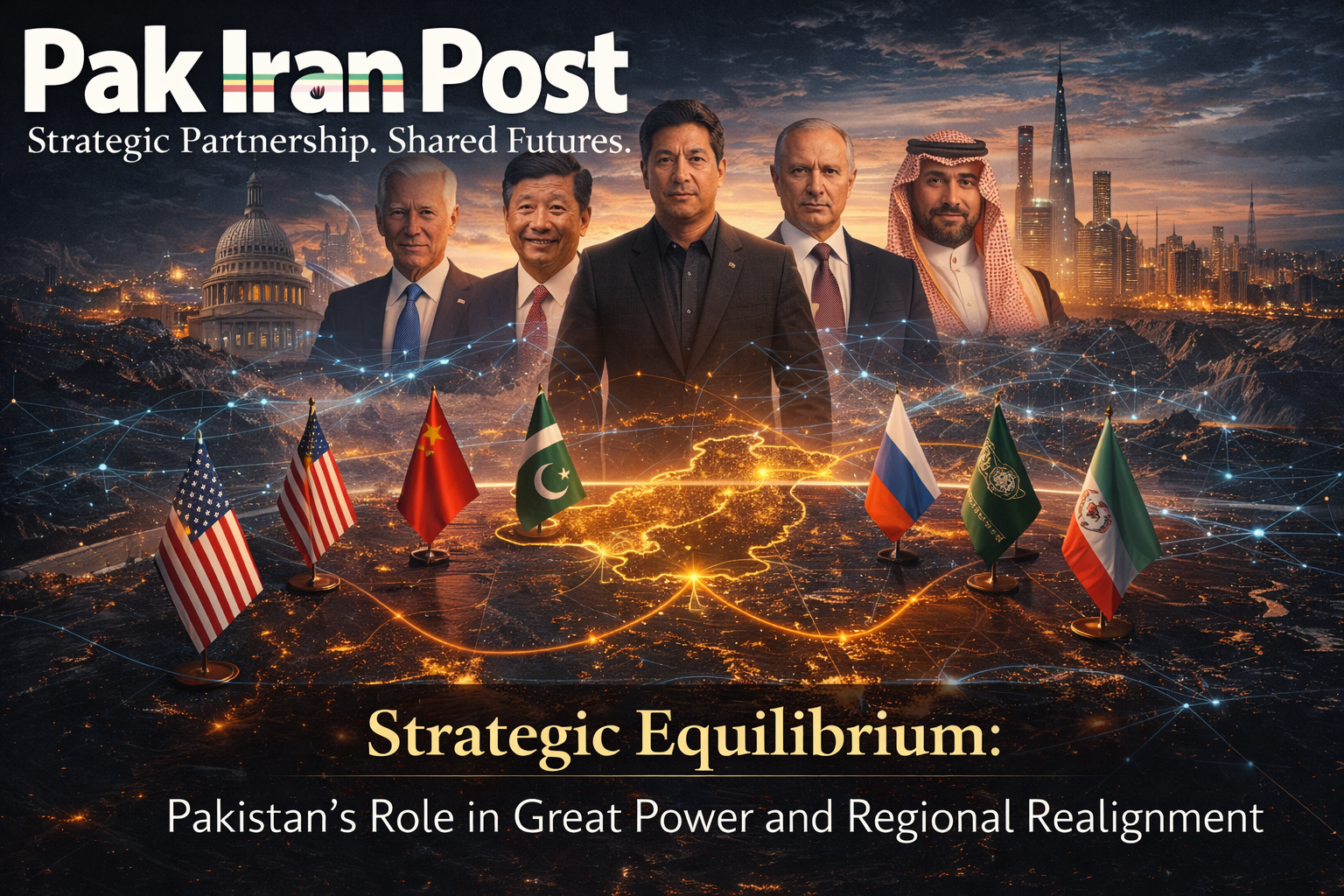
Strategic Equilibrium: Pakistan’s Role in Great Power and Regional Realignment
The Middle East is undergoing a fundamental geopolitical realignment that is redefining power balances, energy flows, and strategic relationships. The ongoing conflict in the Gulf involving the United States, Israel, and Iran has exposed vulnerabilities in existing security architectures and highlighted the strategic
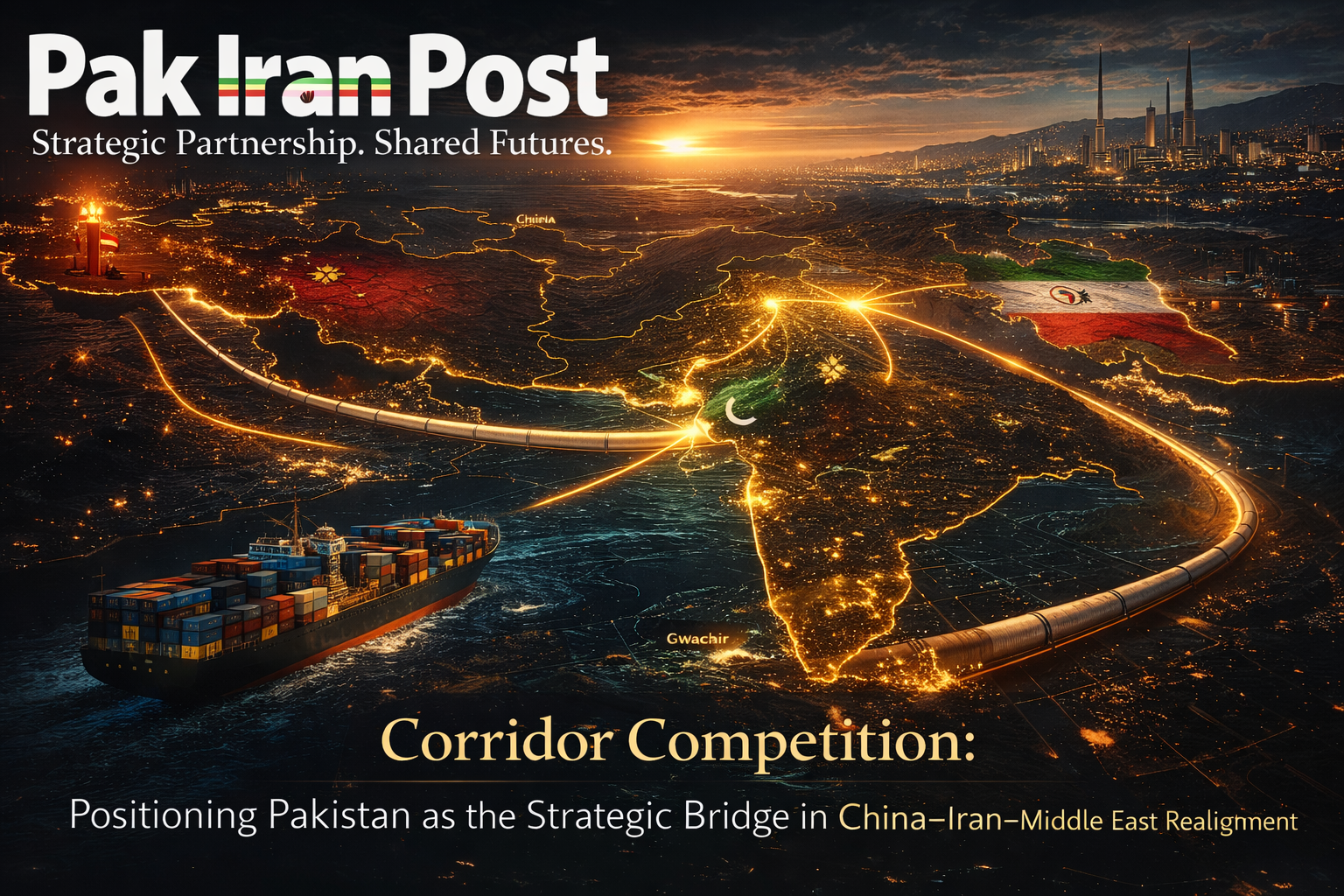
Corridor Competition: Positioning Pakistan as the Strategic Bridge in China–Iran–Middle East Realignment
The evolving geopolitical and economic landscape of the Middle East and South Asia is creating a transformative opportunity for Pakistan to emerge as a central node in the regional connectivity and energy architecture. The fragmentation of global trade routes, the monetization of strategic
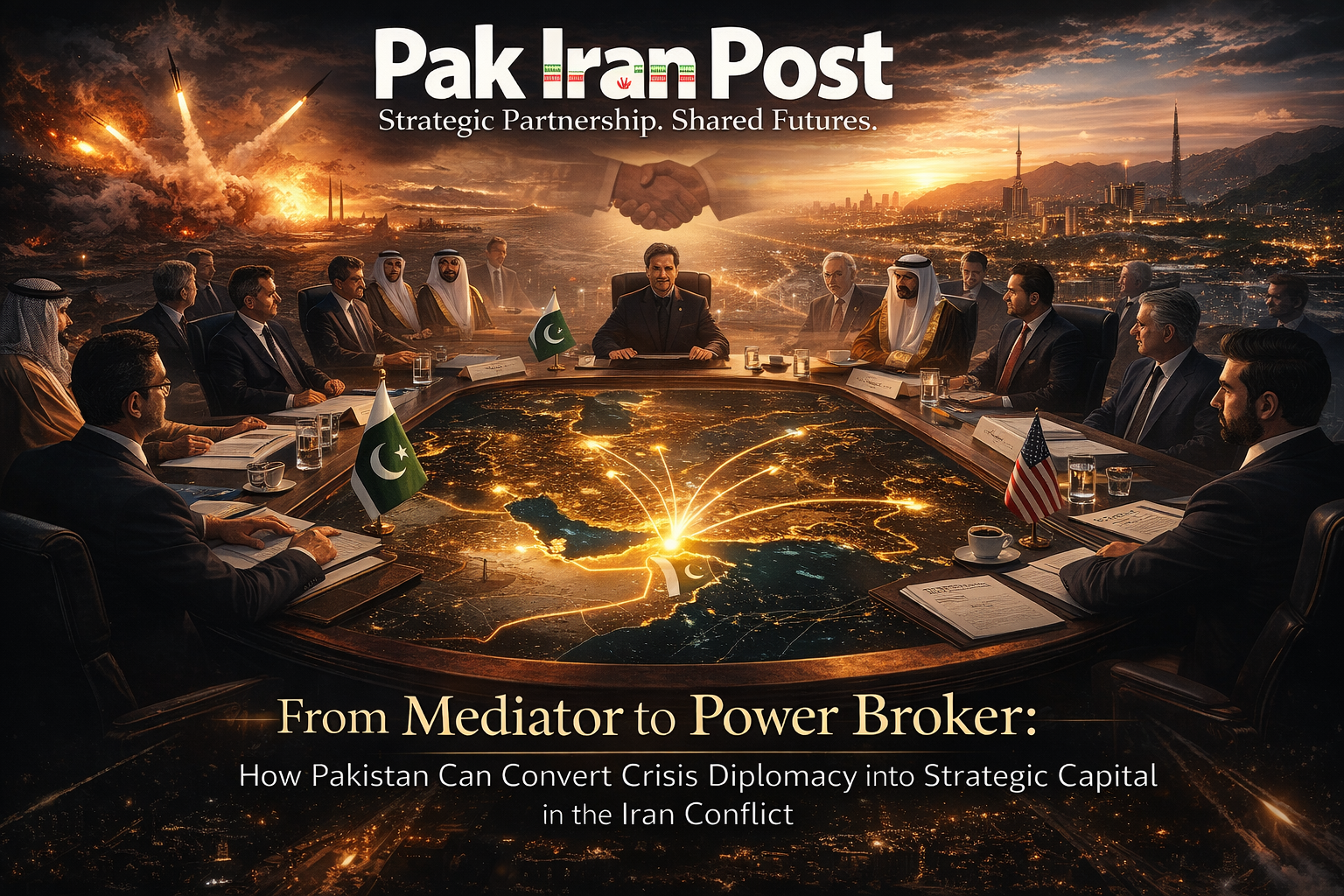
From Mediator to Power Broker: How Pakistan Can Convert Crisis Diplomacy into Strategic Capital in the Iran Conflict
The contemporary Middle Eastern landscape is being reshaped by conflict, strategic recalibration, and the emergence of new power alignments. Among the most consequential theaters is Iran, whose political, economic, and military positioning is influencing not only regional security but global energy and trade
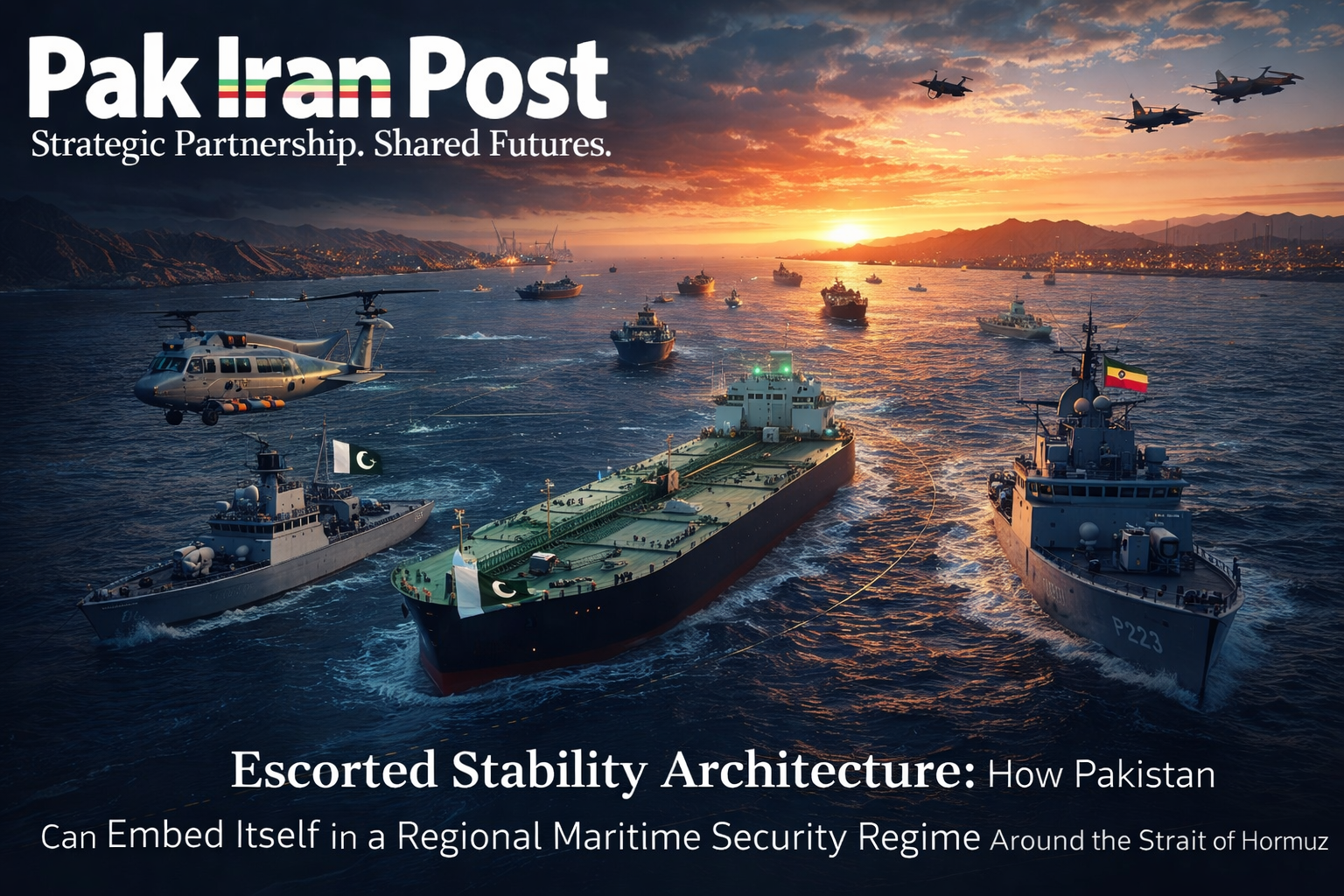
Escorted Stability Architecture: How Pakistan Can Embed Itself in a Regional Maritime Security Regime Around the Strait of Hormuz
The evolving security dynamics of the Strait of Hormuz are no longer defined by episodic crises or symbolic shows of force but by a gradual institutionalization of managed risk. What is emerging is not a battlefield but a system, one in which maritime

Selective Access Order: How Pakistan Can Leverage Iran’s Emerging Control Regime in the Strait of Hormuz
The global maritime order is undergoing a profound transformation in which the long-standing principle of open and neutral sea lanes is being replaced by a more conditional and politically mediated system of access. Nowhere is this shift more visible than in the Strait

Economic Interdependence versus Strategic Divergence
Pakistan occupies a central position in South Asia and the Gulf region where economic imperatives, energy dependencies, and strategic alliances converge. Its economic stability is closely tied to the policies and actions of neighboring powers, particularly Saudi Arabia and Iran. These relationships encompass
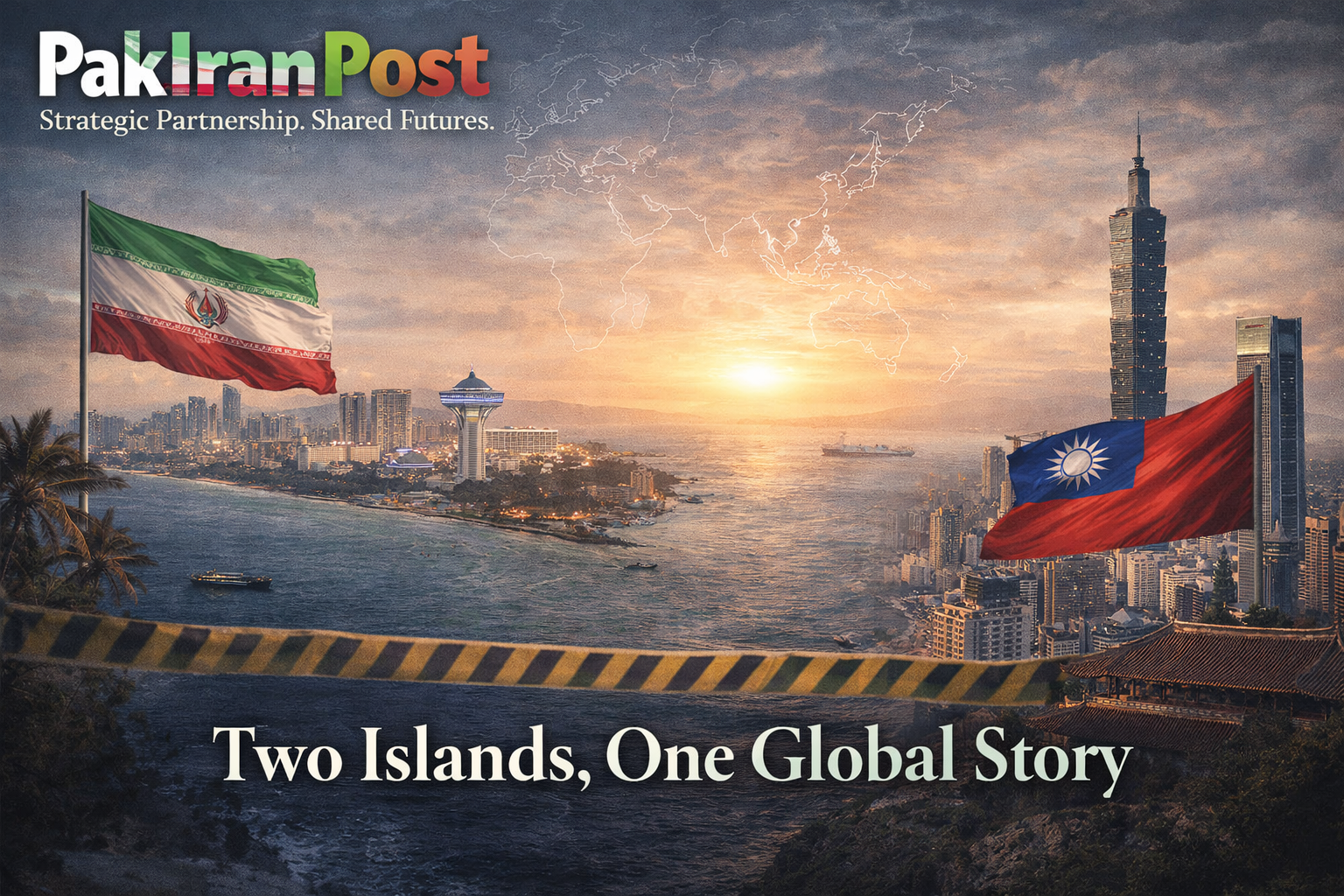
Two Islands, One Global Story
The story of Abu Musa and Greater Tunb is not merely about two small islands in the Strait of Hormuz. It is a narrative that captures the intersections of geography, global energy markets, and media construction. Despite a combined area scarcely exceeding twenty-five

Helmand’s Waters and the Contest for Resource Sovereignty in Iran–Pakistan Relations
The Helmand River, originating in the central highlands of Afghanistan and flowing into Iran’s Sistan‑Baluchistan region, has long been a defining feature of the geopolitical, economic, and environmental landscape of the Iran–Pakistan–Afghanistan triangle. In recent years, this transboundary river has become the focal