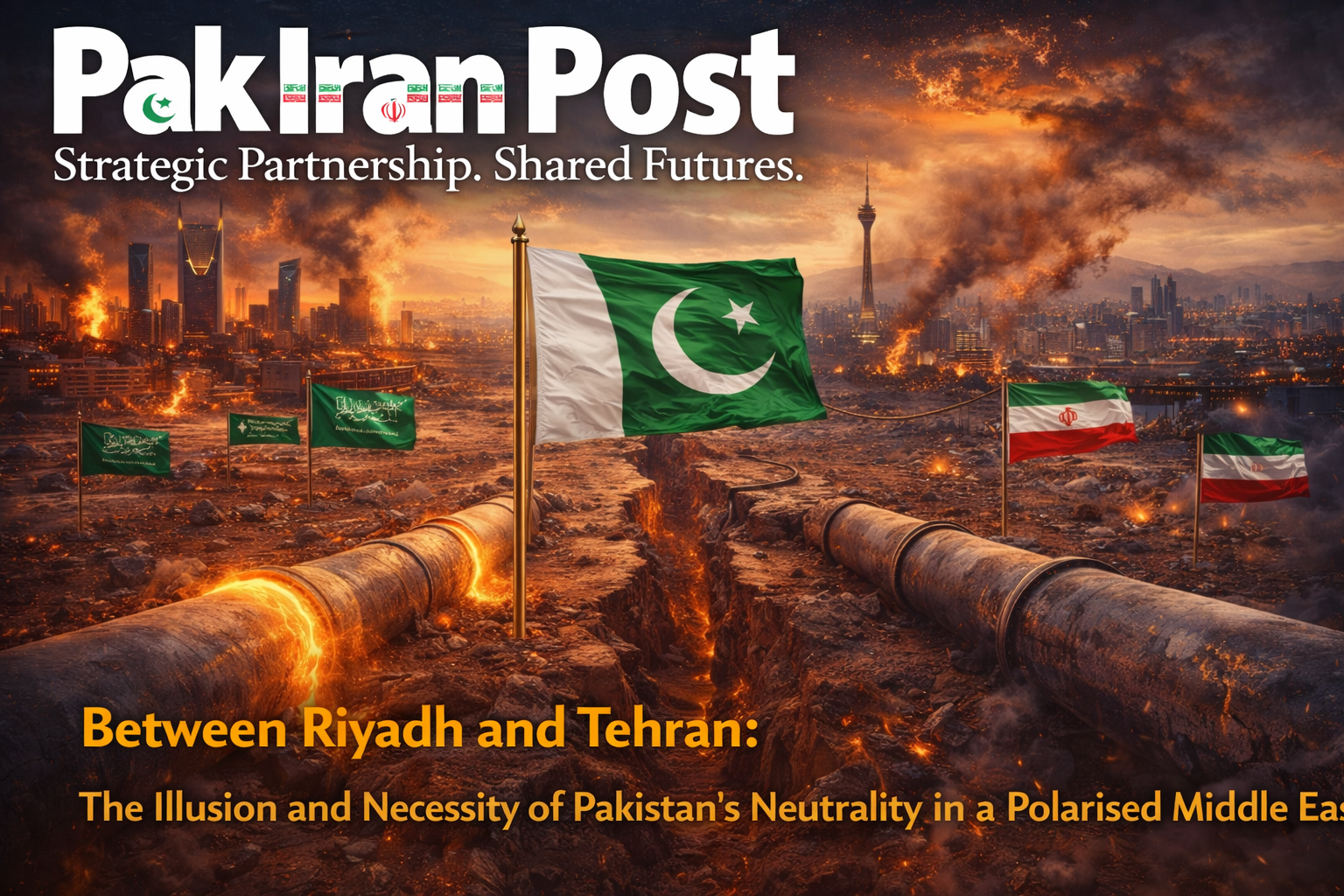
Between Riyadh and Tehran: The Illusion and Necessity of Pakistan’s Neutrality in a Polarised Middle East

In the shifting geometry of Middle Eastern geopolitics, few states embody strategic ambivalence as acutely as Pakistan, whose foreign policy in the 2026 crisis reveals a delicate, almost paradoxical attempt to sustain neutrality between Iran and Saudi Arabia, two rival poles whose contest
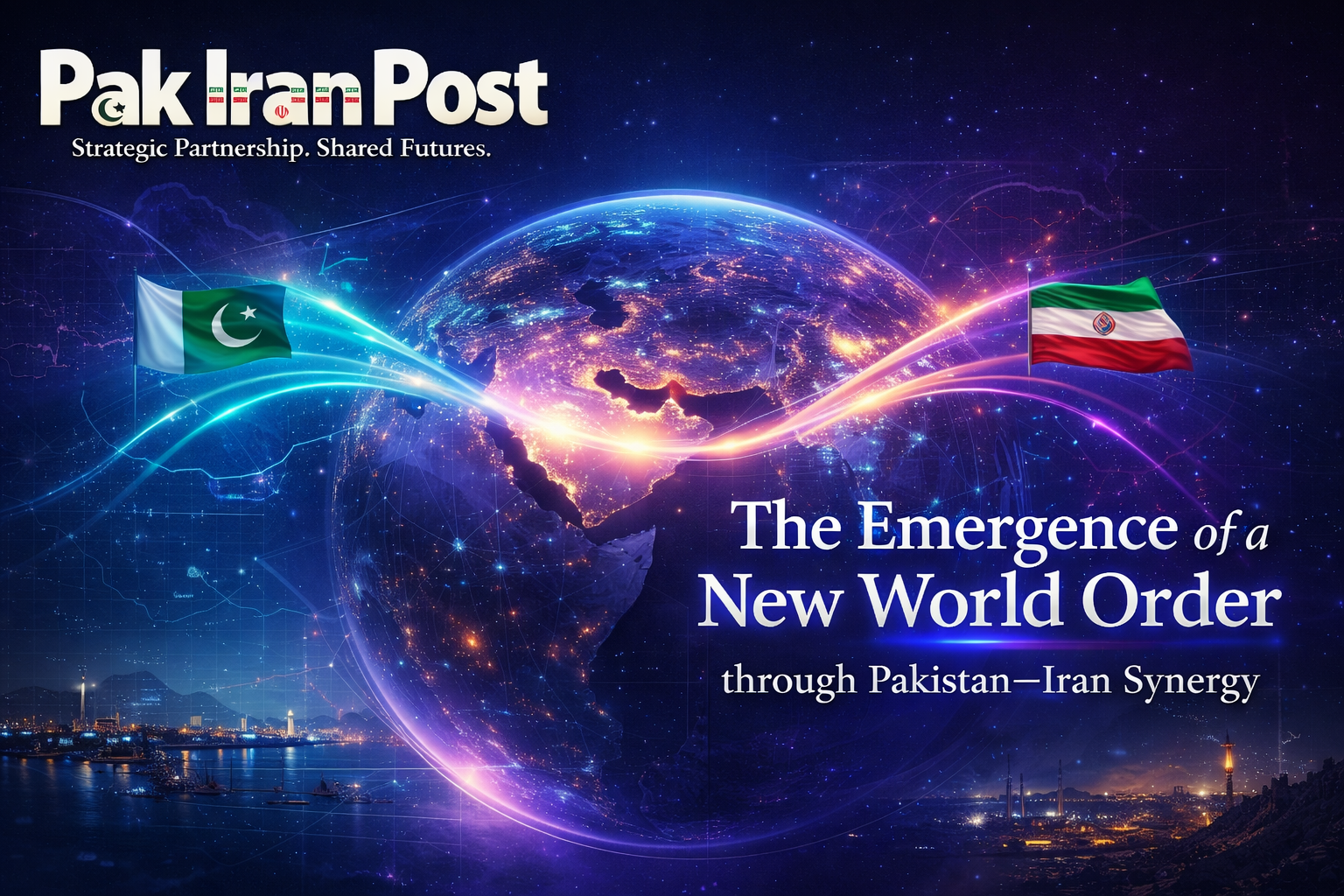
The Emergence of a New World Order through Pakistan–Iran Synergy

The global geopolitical landscape is undergoing a profound transformation that will shape the contours of international relations and power distribution for decades to come. The unipolar moment that followed the end of the Cold War has yielded to a complex multipolar reality in

Shaping Regional Security Architecture: Pakistan’s Strategic Role in a Post-Conflict Gulf
The Gulf region is entering a period of unprecedented transformation, with the fallout of ongoing conflicts creating both risks and opportunities for regional and global actors. The interplay of great power competition, regional rivalries, and the monetization of strategic chokepoints such as the
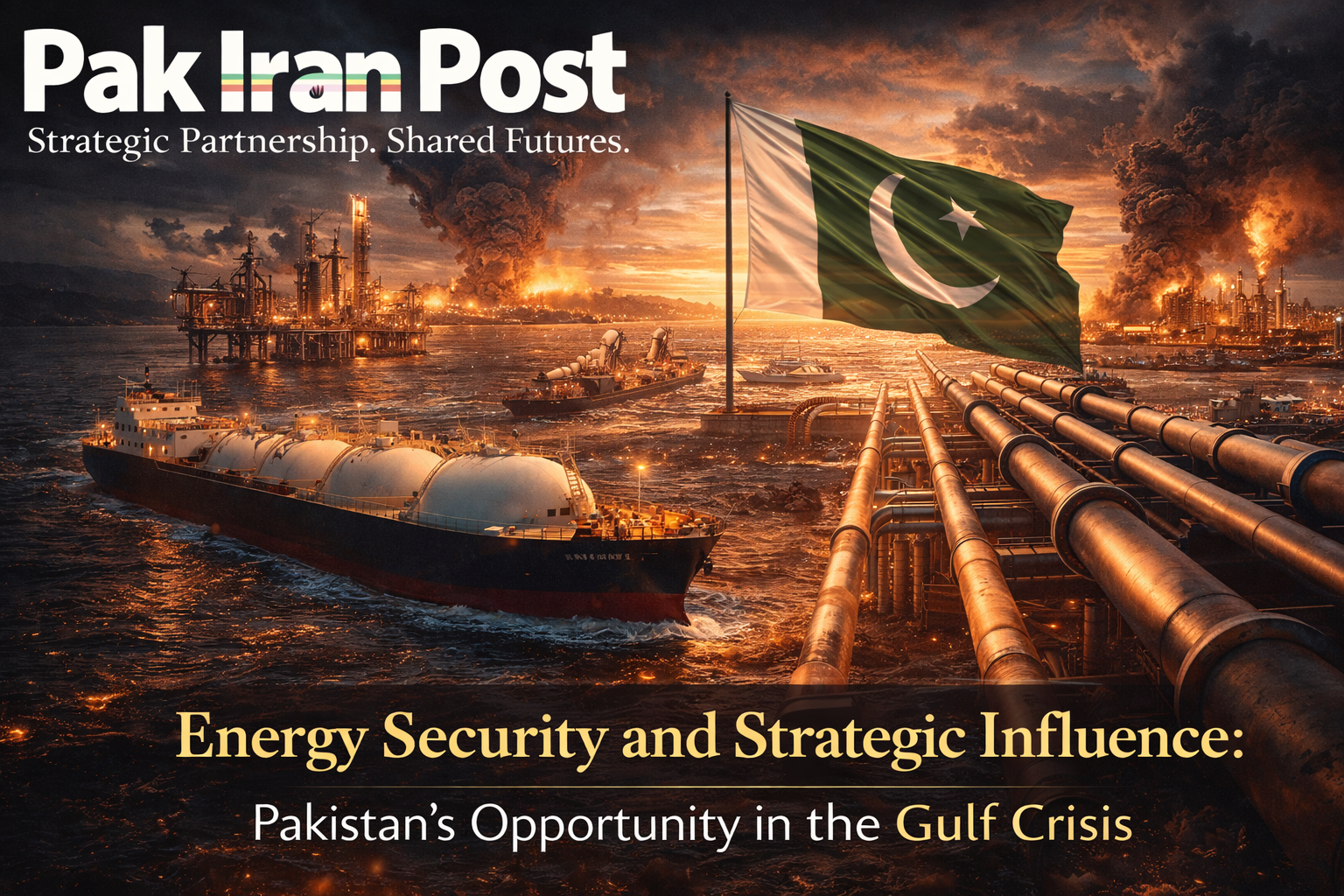
Energy Security and Strategic Influence: Pakistan’s Opportunity in the Gulf Crisis

The Gulf region has long been the epicenter of global energy supply and a strategic theater of international diplomacy. The ongoing crisis involving major powers has revealed not only the vulnerabilities of energy transit routes but also the extent to which energy security
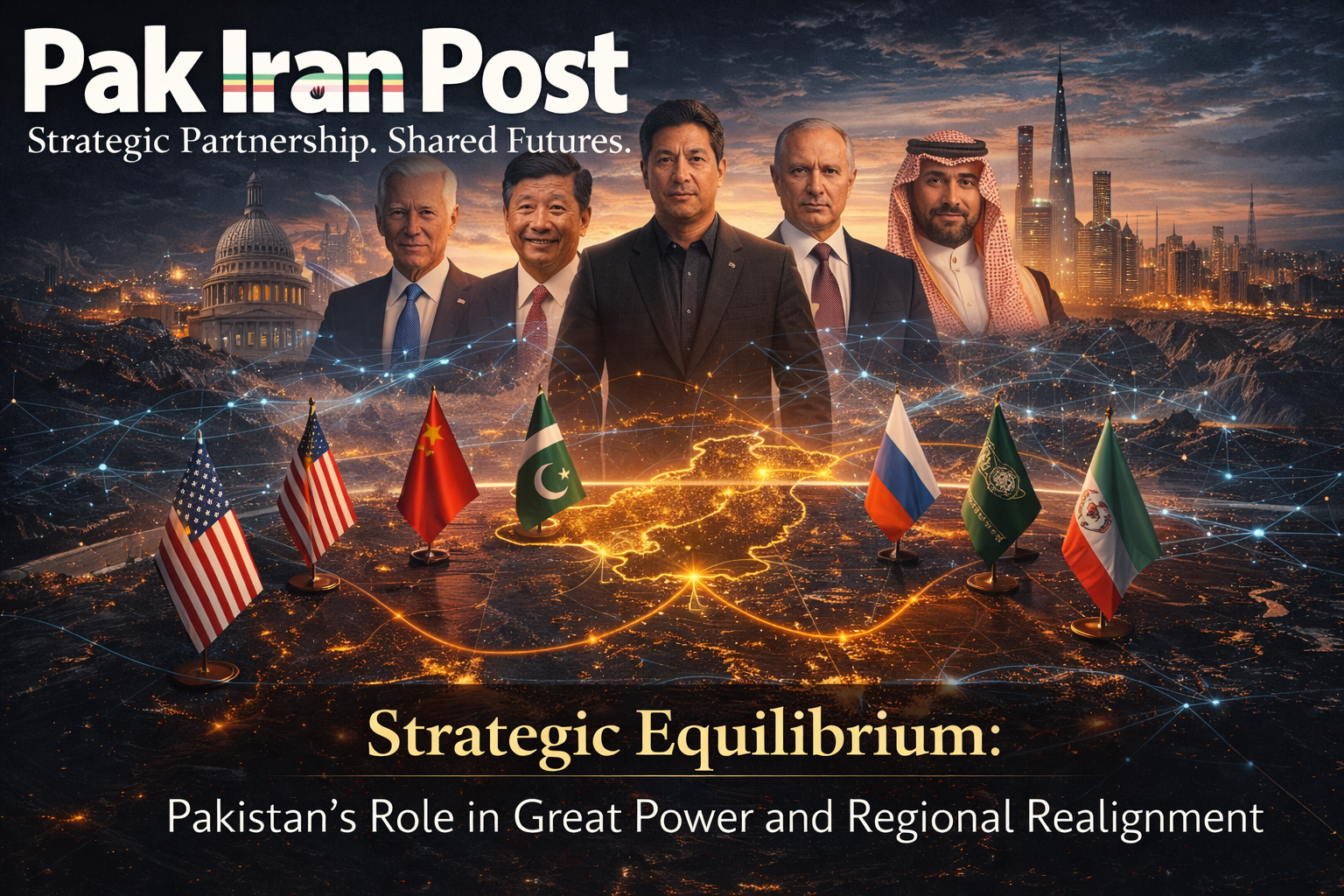
Strategic Equilibrium: Pakistan’s Role in Great Power and Regional Realignment
The Middle East is undergoing a fundamental geopolitical realignment that is redefining power balances, energy flows, and strategic relationships. The ongoing conflict in the Gulf involving the United States, Israel, and Iran has exposed vulnerabilities in existing security architectures and highlighted the strategic

Shaping Maritime Security: Pakistan’s Role in a Post-Conflict Gulf Order
The strategic environment of the Gulf has entered a transformative phase. The Strait of Hormuz, long considered an open international passage for global energy flows, is witnessing a shift from unfettered access to selective management. The emergence of controlled transit regimes, driven by
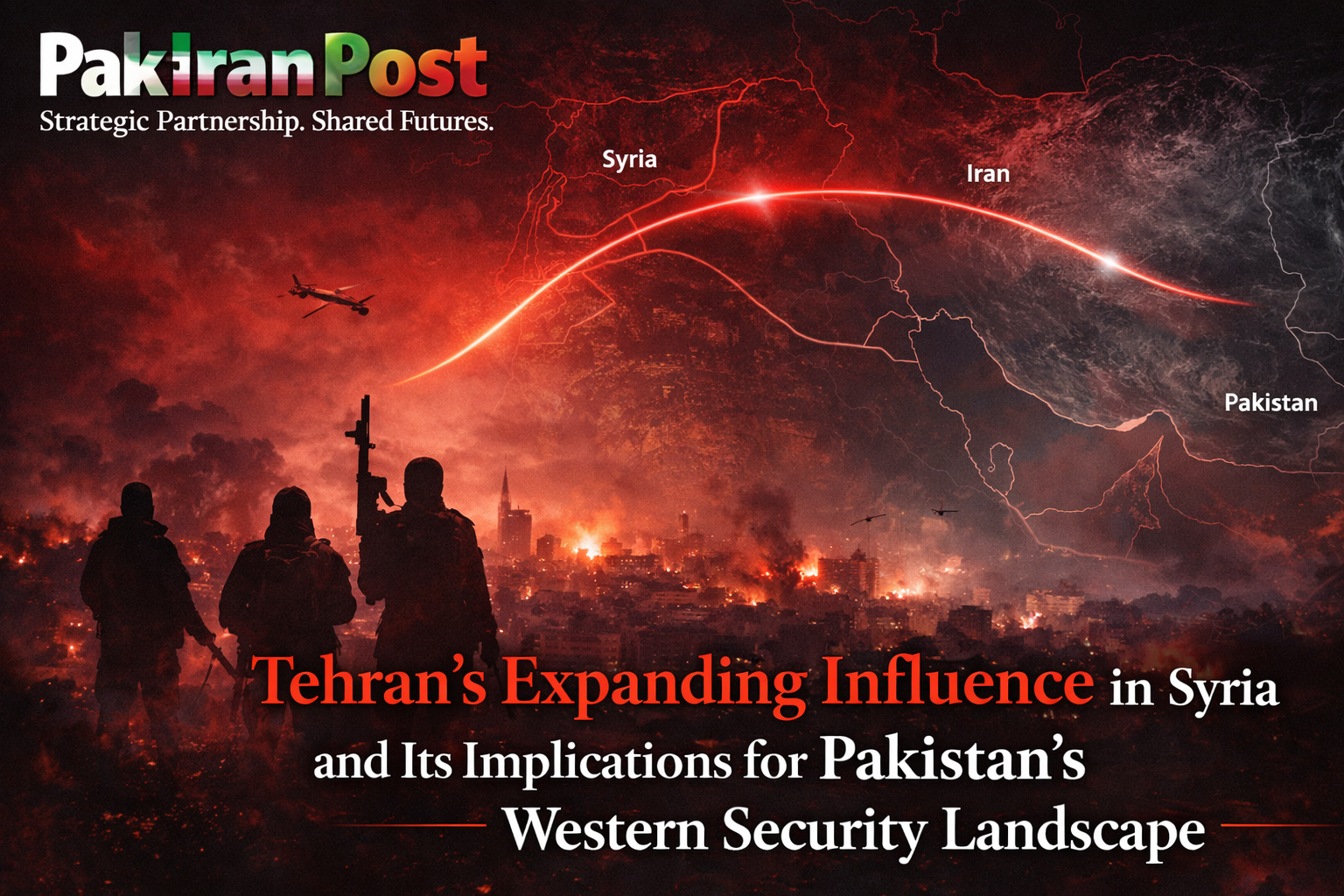
Tehran’s Expanding Influence in Syria and Its Implications for Pakistan’s Western Security Landscape

Iran’s foreign policy over the past two decades has been marked by a deliberate pursuit of strategic depth and regional leverage, prioritizing influence projection in neighboring countries and beyond in order to safeguard its core national security and ideological interests. Central to this