

A Realist Reset for Pakistan Iran Regional Stability Framework

The strategic geography linking Pakistan and Iran has long been described in diplomatic shorthand as a “natural corridor of civilizational adjacency,” yet in practical geopolitical terms it has functioned more as a managed tension zone than a coherent economic or security continuum. The

Middle Powers Navigate Pakistan Iran Shift After Gulf Rapprochement

By : Shafqat Ali Qureshi The recalibration of relations between Saudi Arabia and Iran has quietly altered the diplomatic geometry of West and South Asia, creating ripple effects that extend far beyond the Gulf. For Pakistan and Iran, two states long positioned at
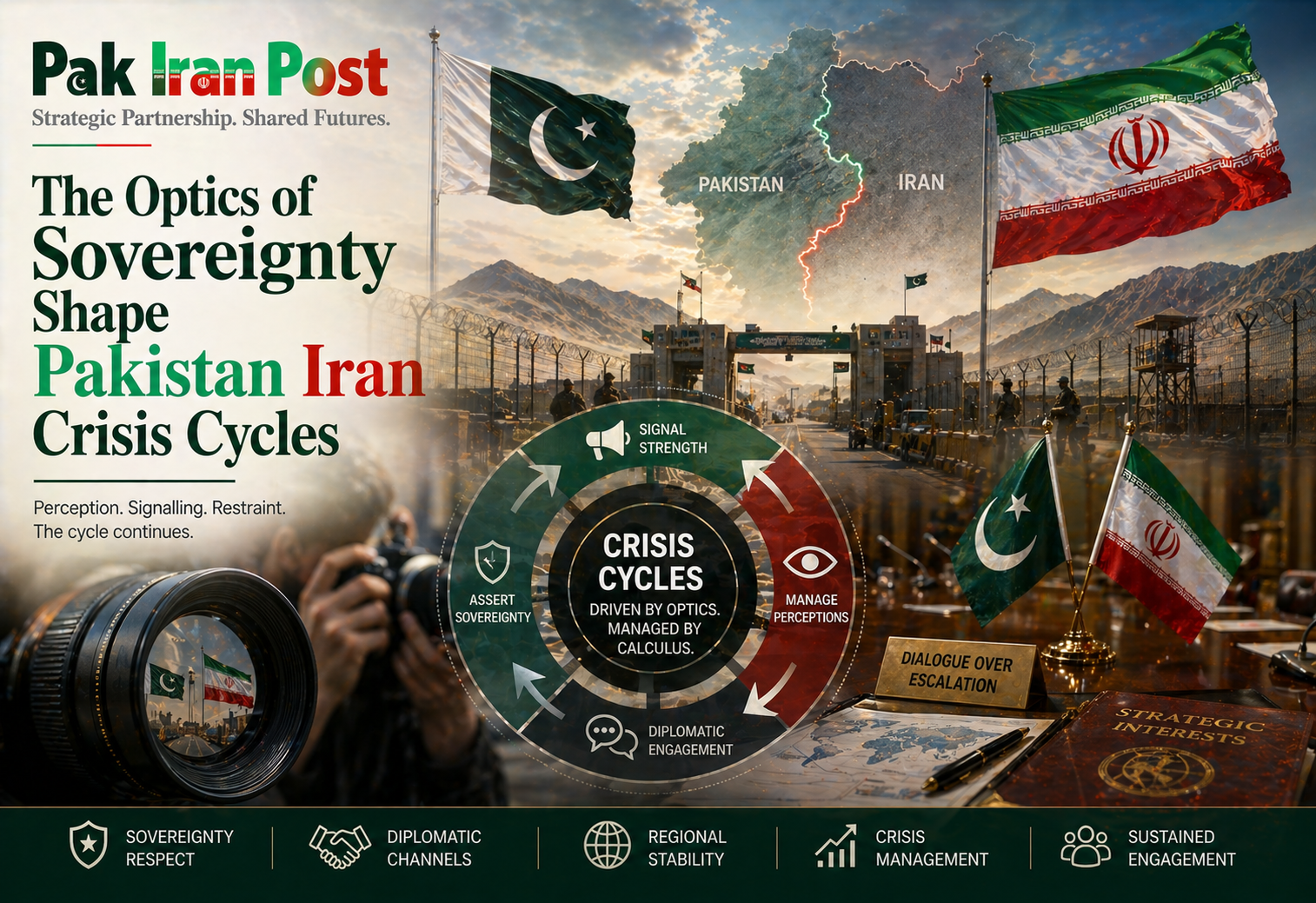
The Optics of Sovereignty Shape Pakistan Iran Crisis Cycles

In the evolving grammar of South Asian and Middle Eastern geopolitics, sovereignty is no longer expressed solely through territorial control or institutional authority. It is increasingly performed, narrated, and visually curated through episodic displays of force, rapid diplomatic reversals, and tightly managed media
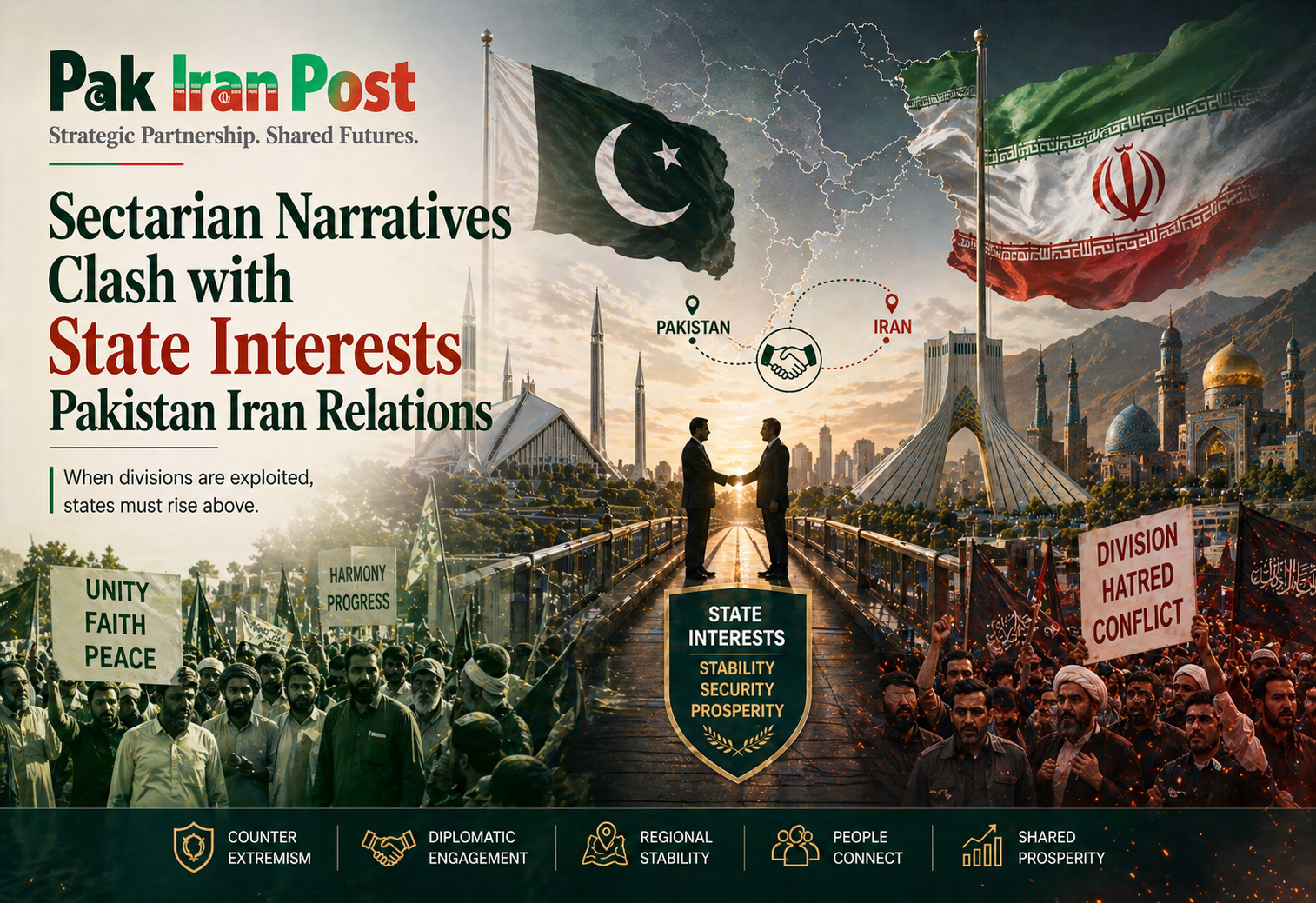
Sectarian Narratives Clash with State Interests Pakistan Iran Relations

In the contemporary evolution of Pakistan Iran relations, one of the most persistent yet least formally acknowledged tensions lies in the widening gap between state level strategic reasoning and the fragmented, often emotionally charged narratives circulating through media ecosystems, religious networks, and digital

Domestic Political Pressures Shape Pakistan Iran Foreign Policy Signalling Dynamics

Foreign policy between Pakistan and Iran is often described in conventional diplomatic language as a function of geography, shared borders, trade potential, and periodic security cooperation. Yet such descriptions increasingly fail to capture the deeper and more volatile substrate on which bilateral relations

Pakistan Iran Policy Reset After Crisis
Pakistan’s relationship with Iran has long existed in a narrow corridor between geographic inevitability and geopolitical constraint. It is a relationship shaped less by strategic design and more by episodic necessity, interrupted repeatedly by sanctions regimes, border insecurity, regional rivalries, and shifting external
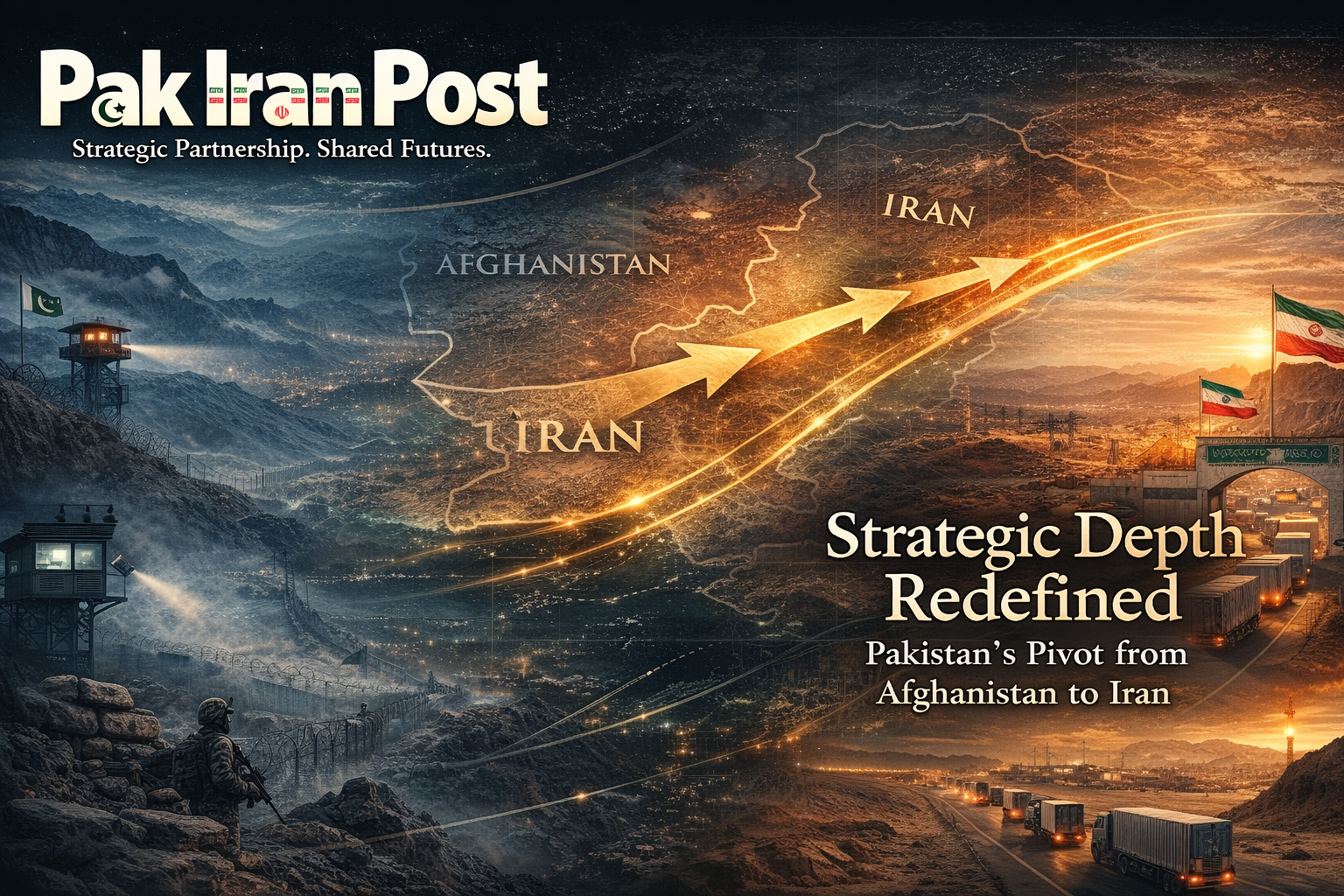
Strategic Depth Redefined: Pakistan’s Pivot from Afghanistan to Iran
Pakistan’s strategic doctrine has historically been shaped by its geographic and political proximity to Afghanistan. For decades, Islamabad’s security, foreign policy, and regional calculations were heavily influenced by developments across the Afghan border. Pakistan’s role in Afghanistan encompassed multiple dimensions, from facilitating stability

Iran’s Rise and the Rebalancing of Gulf Economies: A Strategic Analysis for Pakistan
Iran’s economic resurgence represents a significant inflection point for the Gulf region and the broader Middle East. After years of sanctions and international isolation, Iran has steadily rebuilt its economic capacities, leveraging its vast energy resources, expanding regional trade networks, and reinvigorating its
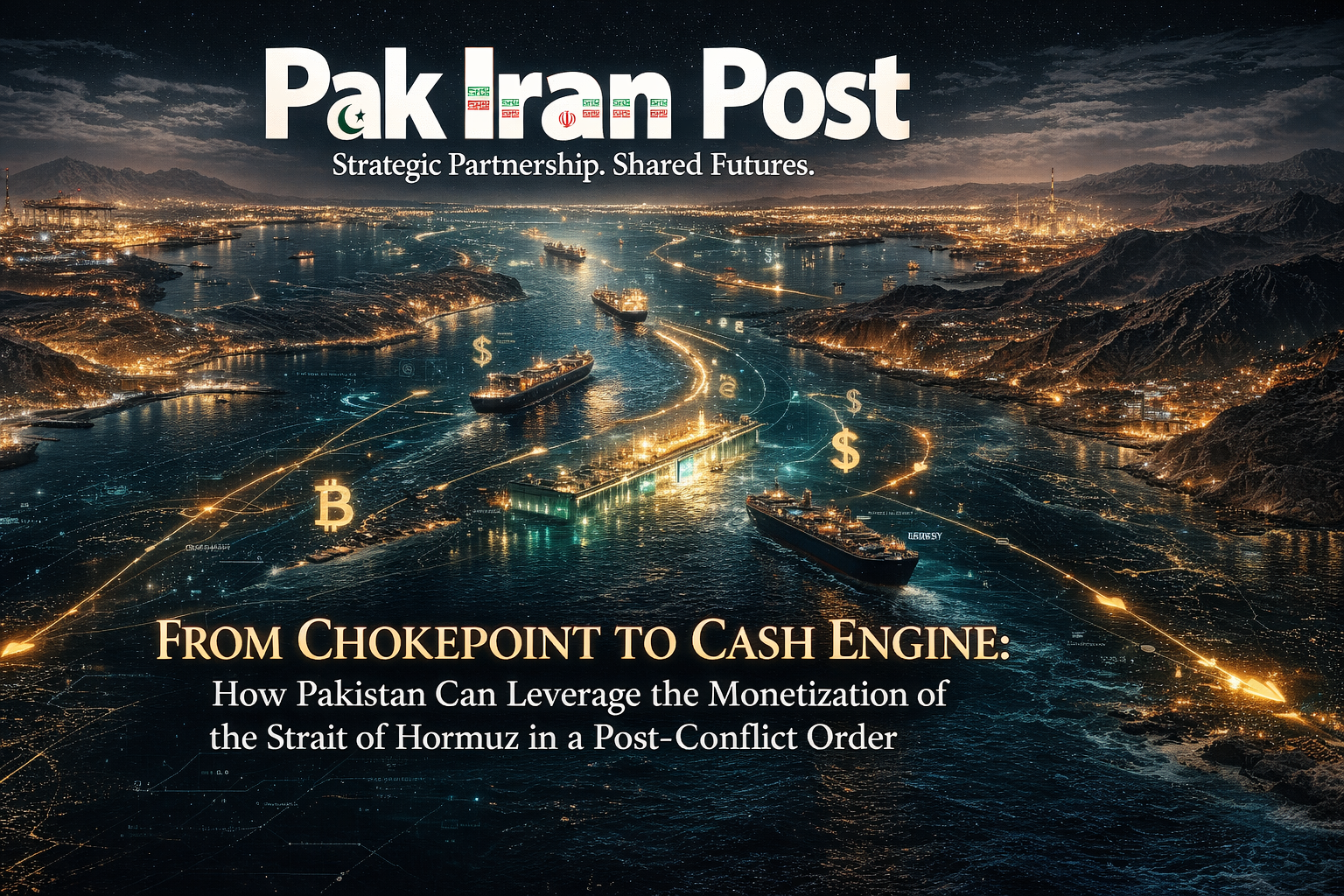
From Chokepoint to Cash Engine: How Pakistan Can Leverage the Monetization of the Strait of Hormuz in a Post-Conflict Order
What is unfolding in the waters of the Strait of Hormuz is no longer confined to traditional geopolitical contestation. It represents a deeper transformation in the logic of global power, where geography is being converted into a monetizable financial asset. For decades, the