Two Islands, One Global Story

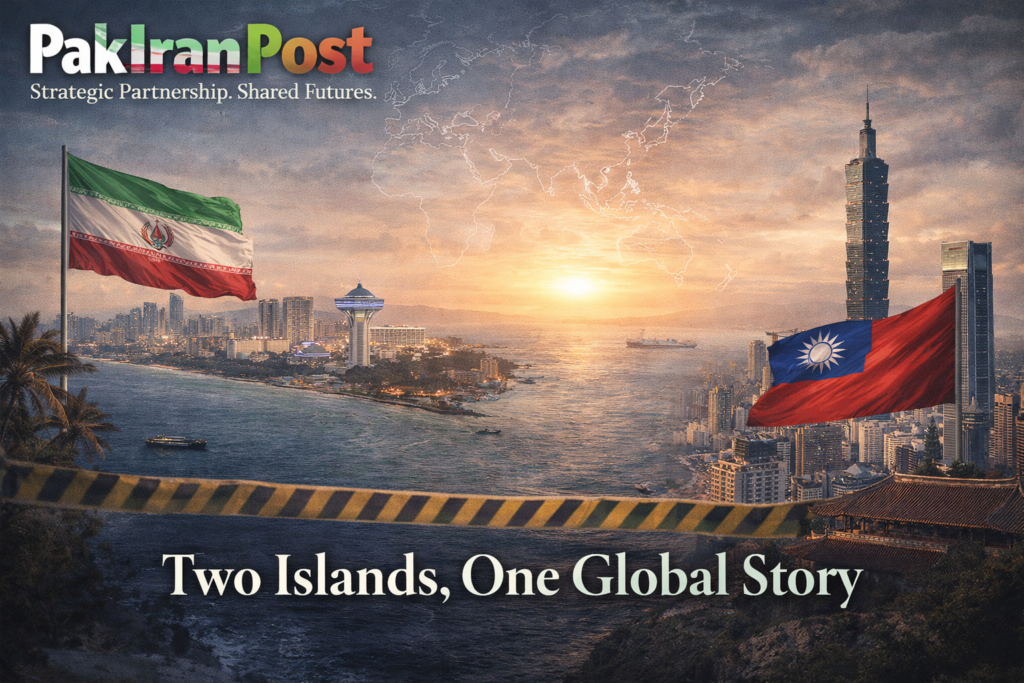
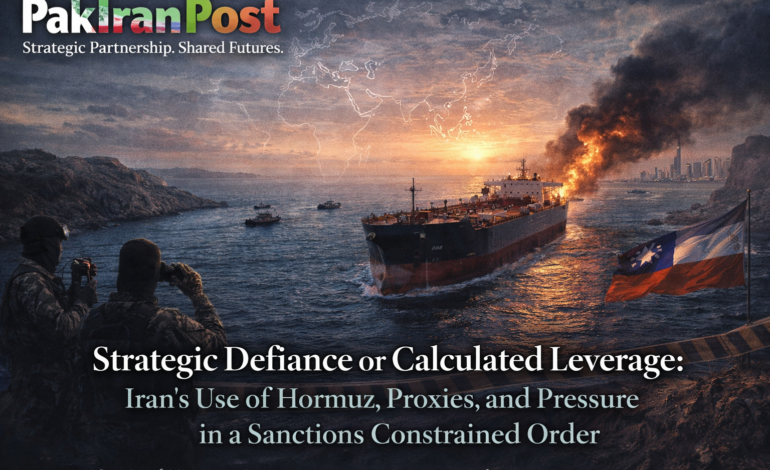
The story of Abu Musa and Greater Tunb is not merely about two small islands in the Strait of Hormuz. It is a narrative that captures the intersections of geography, global energy markets, and media construction. Despite a combined area scarcely exceeding twenty-five square kilometers, these islands exert an influence far greater than their size would suggest. Their strategic significance is amplified by their location at the narrowest point of the Strait, through which nearly twenty percent of global petroleum flows each day. The contrast between their physical dimensions and their geopolitical weight remains poorly understood outside specialized circles. Media narratives play a critical role in transforming these underreported territories into symbols of global economic vulnerability, and the framing, language, and visual storytelling employed by journalists shape public perception of strategic chokepoints.
Media attention is historically driven by immediacy, spectacle, and simplicity. Large-scale conflicts, dramatic disasters, and high-profile political negotiations dominate headlines because they resonate with universal concerns and are visually compelling. Small territorial holdings rarely attract sustained attention unless overt conflict or diplomatic crisis occurs. Abu Musa and Greater Tunb exemplify this phenomenon. Despite their central role in energy flow through a critical maritime corridor, they remain marginal in mainstream reporting. The vulnerability these islands embody is often obscured by larger regional conflicts, including wars in Yemen, Iraq, Syria, and the broader US-Iran rivalry. Consequently, the global public often underestimates the fragility of energy supply chains and the micro-territorial levers of power Iran maintains in the Strait.
Media narratives actively construct reality through selective emphasis, framing, and language. Stories about Abu Musa and Greater Tunb often focus on sovereignty disputes, historical claims, or sporadic diplomatic tensions, rather than their structural significance in global energy flows. This framing shifts attention from functional vulnerability to political symbolism, reducing public comprehension of operational stakes. Language plays a central role in this process. Terms like minor outposts, disputed islands, and peripheral territories diminish perceived importance, whereas phrases emphasizing strategic chokepoints, maritime leverage, and energy interdiction heighten perceived consequence. Even accurate reporting can inadvertently downplay systemic vulnerabilities if linguistic framing favors political or historical narratives over functional and operational considerations.
Visual storytelling amplifies narrative impact. Satellite imagery, maps of shipping lanes, and diagrams of missile coverage zones convey information that text alone cannot. Visuals portraying the islands as isolated or obscure reinforce marginality, while careful depiction of proximity to tanker routes and integrated surveillance infrastructure underscores their centrality in controlling maritime traffic. Outlets failing to incorporate such visuals contribute to underrepresentation of strategic significance. The selection of images, map scale, and layering of technical data influence public perception, shaping both risk understanding and perceived importance. Narrative construction and visual framing are inseparable, and strategic communication requires attention to both.
The transformation of Abu Musa and Greater Tunb into symbols of global vulnerability depends on several factors. Media narratives must establish causality between micro-territorial control and macroeconomic outcomes. Militarization and surveillance infrastructure have the potential to disrupt one of the world’s most critical energy arteries. Even temporary interruptions can cascade across oil markets, refining operations, and global supply chains. Narratives must humanize abstract vulnerability by linking strategic control to tangible economic and social consequences. Audiences comprehend risk more fully when disruptions translate into increased transportation costs, market instability, and implications for energy security policies. Media must combine historical context, operational insight, and real-time monitoring to construct stories that resonate with specialized and general audiences. Simplistic reportage focused solely on sovereignty disputes fails to convey micro-territorial leverage.
Regional media, particularly Gulf-based outlets, possess advantages in shaping these narratives. Proximity, access to local intelligence, and cultural familiarity allow nuanced reporting beyond the reach of Western media. Yet structural challenges exist in amplifying global significance, including international distribution networks, audience segmentation, and dominance of established Western conglomerates. Gulf outlets must invest in multi-modal storytelling, integrating high-resolution imagery, data analytics, and expert commentary. Partnerships with international media and think tanks ensure regional perspectives influence global discourse. By doing so, these small islands can emerge as symbolic nodes reflecting energy supply fragility, maritime security imperatives, and geographic levers of power.
Framing choices carry normative consequences for policy and public perception. Portraying the islands primarily as sources of regional tension emphasizes conflict risk but obscures structural leverage over energy markets. Conversely, framing in terms of maritime control, chokepoint vulnerability, and strategic deterrence highlights operational stakes, encouraging preventive strategies, resilience measures, and diplomatic engagement. It also fosters public literacy in international security, equipping audiences to engage with complexity without defaulting to sensationalism.
Strategic geography is inherently multidimensional. Abu Musa and Greater Tunb operate as military outposts, sovereignty symbols, instruments of deterrence, and potential disruptors of energy flows. Media coverage that isolates one dimension risks oversimplifying significance. Integrated storytelling conveys interdependence of these roles, showing how operational control translates into economic leverage and how geopolitical claims intersect with military posture. Synthesis without sacrificing clarity, coherence, or accessibility demands editorial sophistication, rigorous fact-checking, and commitment to fidelity over sensational appeal.
Temporal framing further enhances understanding. The islands’ significance varies with regional dynamics, international sanctions, technological deployment, and maritime traffic patterns. Contextualizing developments within historical trajectories, contemporary strategy, and prospective scenarios empowers audiences to anticipate risk. Coverage of Iranian missile deployments, radar enhancements, and port infrastructure can be complemented by scenario analysis illustrating potential disruptions under differing geopolitical contingencies. Temporal framing translates strategic complexity into operationally relevant insight.
Media credibility shapes narrative salience. Outlets perceived as rigorous, investigative, and regionally attuned exert influence on policy discourse and public perception. Coverage combining investigative reporting, technical expertise, and contextual analysis communicates strategic significance more effectively. Superficial reporting or uncritical repetition of news wires diminishes the perceived importance of these territories. Gulf-based and regional media carry the responsibility to uphold rigorous standards, maintain independence, and situate reporting within analytical frameworks.
Public perception amplifies narrative influence. Awareness of strategic vulnerabilities is essential for policy prioritization, investment, and diplomatic engagement. Making these islands visible in public consciousness translates micro-territorial control into operational understanding, facilitating anticipatory decision-making from energy market hedging to regional coalition-building.
Technological amplification via digital platforms expands narrative reach but requires editorial foresight. Multimedia presentations, interactive maps, and expert commentary transform abstract geography into compelling experience. Proper framing through these tools democratizes information while reinforcing credibility and symbolic significance.
Narrative construction also shapes strategic culture. By highlighting the influence of small territorial holdings, media cultivates anticipatory thinking, encouraging investment in surveillance, contingency planning, diplomatic engagement, and regional collaboration. Media not only reports strategic realities but participates in their construction, shaping perception and policy simultaneously. Abu Musa and Greater Tunb exemplify how narrative transforms physical geography into symbols of operational leverage and systemic vulnerability.
In conclusion, Abu Musa and Greater Tunb demonstrate the power of micro-geography in shaping global energy and security outcomes. Narrative construction through framing, language, visual storytelling, and temporal context elevates these islands from marginal territories to critical nodes of operational and economic significance. Gulf-based media, leveraging regional insight and analytical rigor, can position these narratives globally, informing public perception, shaping policy, and fostering strategic consciousness. In a connected world, even the smallest territories carry the weight of global consequence, and media narratives play a decisive role in translating micro-territorial control into macroeconomic and geopolitical awareness.
A Public Service Message